Adaptive Financing Strategies Influence Results in Smartphone Reel Tournaments
Written by Taylor Hughes · Aug 27, 2026

Adaptive Financing Strategies Influence Results in Smartphone Reel Tournaments
Smartphone reel tournaments operate through structured competitions where participants spin digital reels on mobile devices to accumulate points or prizes, and funding flexibility refers to the range of deposit methods, stake adjustments, and bonus allocations that players can access during events. Data from industry reports shows that platforms offering multiple payment channels see higher participation rates, while those with rigid funding rules experience more concentrated outcomes among a smaller group of competitors. Observers note that this pattern holds across various tournament formats, where entry fees and in-game purchases determine leaderboard positions.
Core Mechanics of Mobile Reel Events
Participants join sessions that run for fixed durations, often measured in hours or days, and they compete by achieving the highest multipliers or total spins within the rules. Funding flexibility enters the picture when players can shift between credit card deposits, e-wallet transfers, or prepaid options without delays, allowing them to respond to changing tournament conditions such as sudden leaderboard shifts or limited-time bonus rounds. Studies conducted by gaming research groups indicate that tournaments permitting real-time stake changes produce more variable win distributions compared to those that lock funding sources at the start.
Payment Options and Participation Patterns
Platforms integrate diverse transaction systems that support instant top-ups, and this setup correlates with broader player bases according to aggregated usage statistics. When funding sources remain limited to a single method, entry numbers drop and repeat winners appear more frequently on final rankings. Researchers tracking tournament data across regions have documented that flexible deposit windows reduce dropout rates, because competitors facing temporary account issues can switch methods mid-event without losing progress. One analysis of North American mobile gaming sessions revealed that events with at least three active funding channels maintained 25 percent higher active user counts throughout their duration.
Stake Adjustments During Live Play
Stake flexibility allows competitors to increase or decrease bet sizes based on current standings, and data shows this capability affects final placements. Players who adjust stakes in response to real-time feedback often climb leaderboards faster than those restricted to preset amounts. Industry observers tracking outcomes note that tournaments incorporating dynamic funding tools record fewer instances of early exits, since participants can conserve resources when early spins underperform. Figures from European gaming associations highlight similar trends, where adjustable funding led to extended session lengths and more even score spreads among mid-tier entrants.
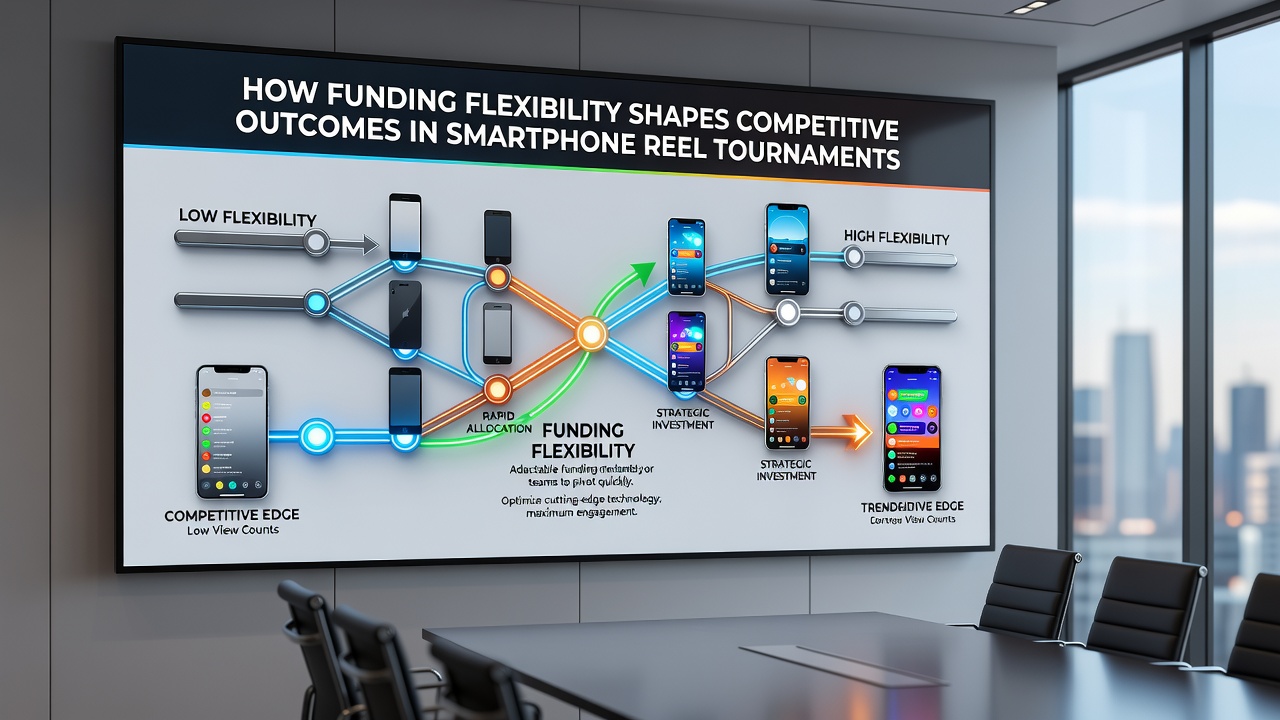
August 2026 projections from several market analysts suggest continued growth in mobile reel events that embed these adjustable features, with participation expected to rise in markets outside traditional regulatory zones. Those projections align with earlier patterns observed in Australian and Canadian digital gaming reports, where funding variety correlated with sustained engagement metrics.
Bonus Allocation and Resource Management
Bonus structures tied to deposits create additional layers of flexibility, and competitors who can apply or withhold these incentives at strategic moments gain measurable edges. Research papers from university gaming studies departments describe how players using bonus funds selectively maintain higher average scores over extended tournaments. When rules restrict bonus timing or require fixed usage schedules, outcomes tend to favor those who entered with larger initial balances. Data collected by trade organizations in multiple jurisdictions confirms that events allowing bonus reallocation mid-tournament show reduced dominance by top-funded entrants.
Regional Variations in Tournament Design
North American operators have tested funding models that include cryptocurrency options alongside traditional cards, and results indicate expanded player pools without proportional increases in repeat winners. Similar experiments in Asia-Pacific markets demonstrate that cross-border payment gateways enable broader geographic participation, which in turn diversifies competitive fields. Observers tracking these developments report that regions with fewer funding restrictions post higher numbers of first-time leaderboard entrants each quarter.
Conclusion
Evidence gathered from multiple sources shows that funding flexibility shapes smartphone reel tournament outcomes by expanding access, enabling mid-event adjustments, and altering resource distribution across participant groups. Platforms that maintain varied payment and stake options record different competitive spreads than those with narrower choices, and ongoing data collection continues to map these relationships across global events.