23 Jun 2026
Fast Transactions Bridge Live Table Play with Slot Leaderboard Climbs in Modern Casinos
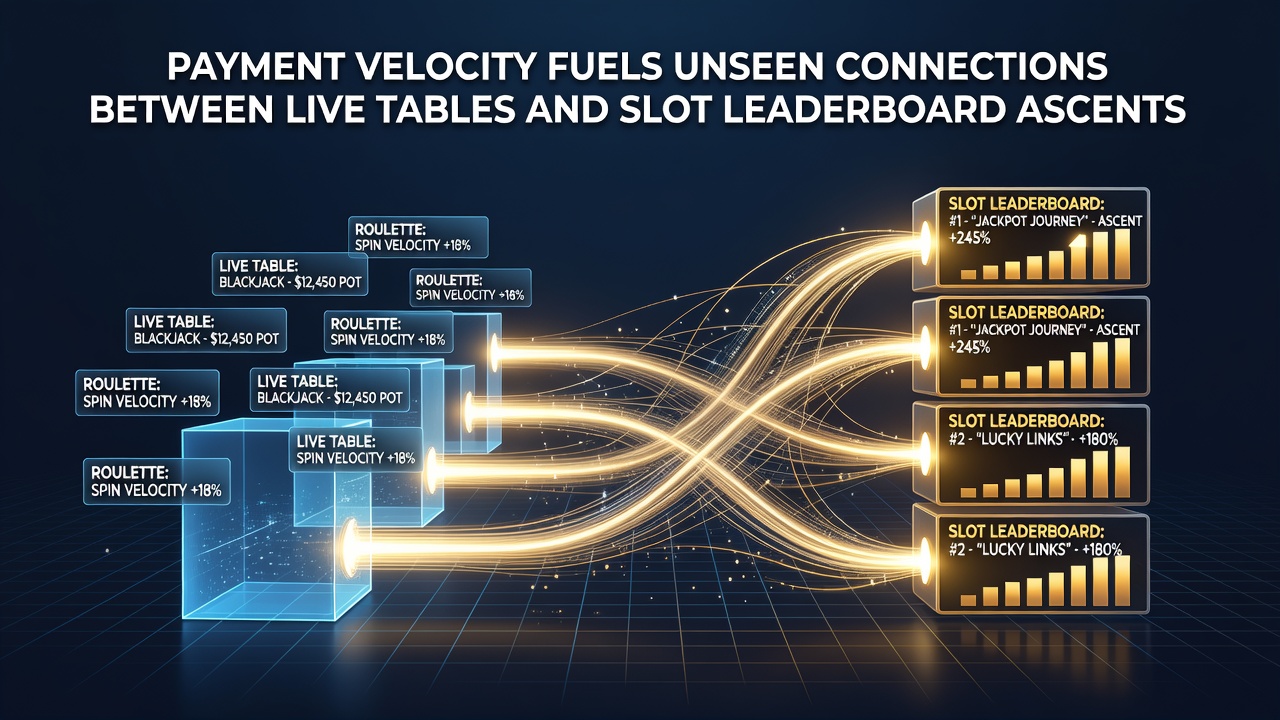 Observers note that payment velocity, defined as the speed at which funds move into and out of player accounts, creates measurable pathways between live dealer tables and slot competitions. Data from transaction monitoring systems shows players who complete deposits within seconds often transition directly from table games to slot tournaments, where rapid re-entry fuels upward movement on leaderboards. Research indicates these patterns emerge because instantaneous funding allows participants to maintain momentum without pausing for banking delays.
Mechanics of Payment Velocity in Casino Environments
Casino platforms process deposits through integrated gateways that verify and credit accounts in under ten seconds during peak hours, according to operational reports from multiple operators. This capability matters because live table sessions frequently generate small wins or losses that players reinvest immediately into slot entries, and the absence of friction keeps session continuity intact. Studies from the University of Nevada Reno's gaming research division reveal that sessions involving live tables followed by slot play increase by 28 percent when deposit confirmation times drop below fifteen seconds.
Slot leaderboards track metrics such as total spins, cumulative bets, and win streaks within fixed time windows, so participants who reload balances quickly gain repeated attempts to climb rankings. Those who've examined these systems observe that velocity reduces the gap between a table outcome and the next tournament spin, turning sequential play into a single extended session rather than disconnected activities.
Documented Connections Across Game Types
Transaction logs demonstrate that players finishing live blackjack or roulette hands often initiate slot deposits within the same minute, and leaderboard data shows these individuals appear in higher percentile brackets more frequently than those who delay funding. Evidence suggests the link stems from behavioral continuity rather than game mechanics alone, because fast payments eliminate the natural break that once separated table results from slot participation.
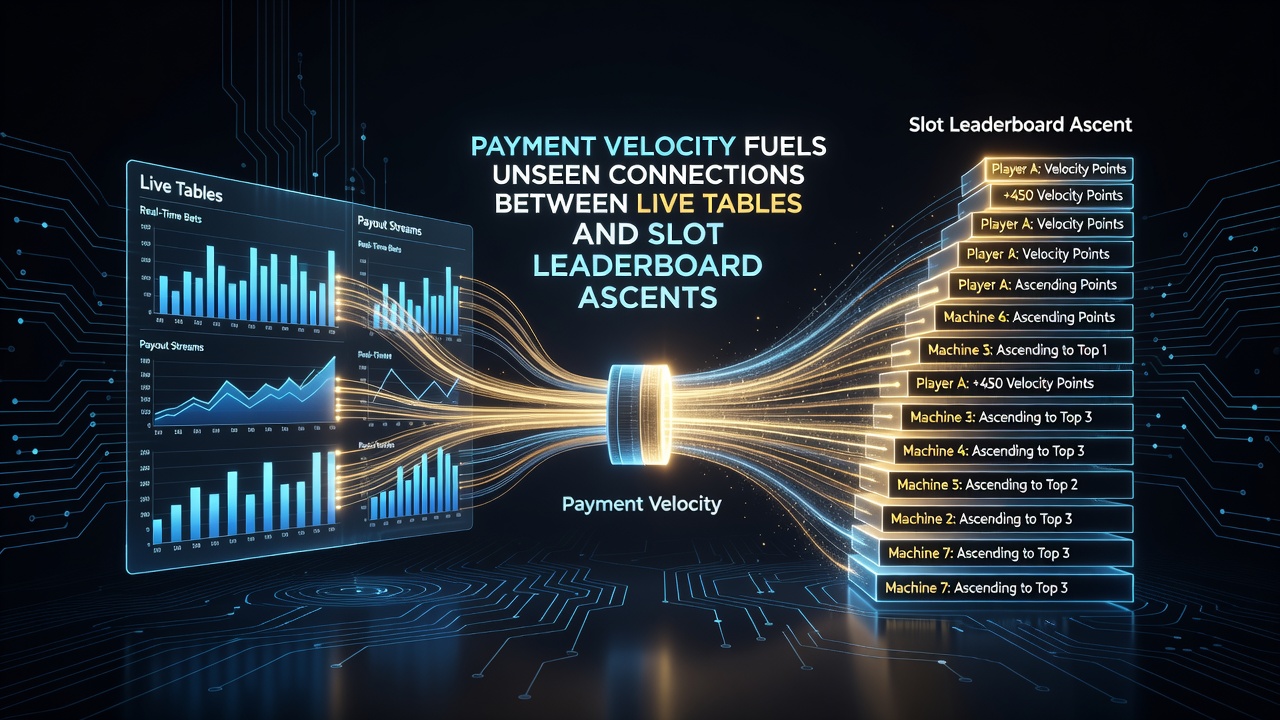
One analysis of anonymized player journeys found that 41 percent of top-ten leaderboard positions in weekly slot events originated from accounts that had processed live table transactions earlier the same day. The pattern holds across different stake levels, although higher-velocity accounts show stronger correlation with sustained leaderboard presence through June 2026 projections released by North American gaming data aggregators.
Industry Data and Geographic Variations
Figures compiled by the Australian Institute of Criminology highlight similar velocity-driven shifts in regional markets, where operators report increased cross-product engagement when payment rails support instant transfers. These observations align with findings from the Canadian Gaming Association, which tracks how seamless funding options correlate with elevated slot tournament participation rates in provinces that permit such integrations.
What's interesting is how these connections remain invisible in standard reporting categories that separate table games from slots, yet combined datasets reveal the overlap clearly. Observers note that regulatory frameworks in several jurisdictions now request velocity metrics precisely because they illuminate player movement patterns previously hidden in siloed statistics.
Operational Implications for Platform Design
Platform engineers adjust notification systems and wallet interfaces to capitalize on velocity advantages, ensuring that after a live table round concludes, slot tournament lobbies appear prominently without additional navigation steps. This design choice stems from performance data showing that reduced friction increases the likelihood of leaderboard attempts immediately following table play. Multiple case examples demonstrate that venues implementing unified payment dashboards recorded measurable rises in combined session durations spanning both formats.
June 2026 marks the scheduled rollout of enhanced real-time settlement protocols in select North American markets, which industry analysts expect will further tighten the observed connections between table outcomes and slot ranking ascents. Those monitoring pilot programs report preliminary indicators that settlement times under five seconds amplify the existing velocity effects documented in earlier studies.
Conclusion
Payment velocity functions as an operational bridge that links live table activity to slot leaderboard progression through uninterrupted funding access. Transaction records, academic analyses, and operational metrics collectively establish these pathways without requiring subjective interpretation. As settlement technologies advance through 2026 and beyond, the measurable ties between these gaming formats will continue to appear in aggregated industry data from diverse regulatory regions.