Mapping Connections Between Swift Transaction Flows and Shifting Incentive Models in Mobile Reel Events
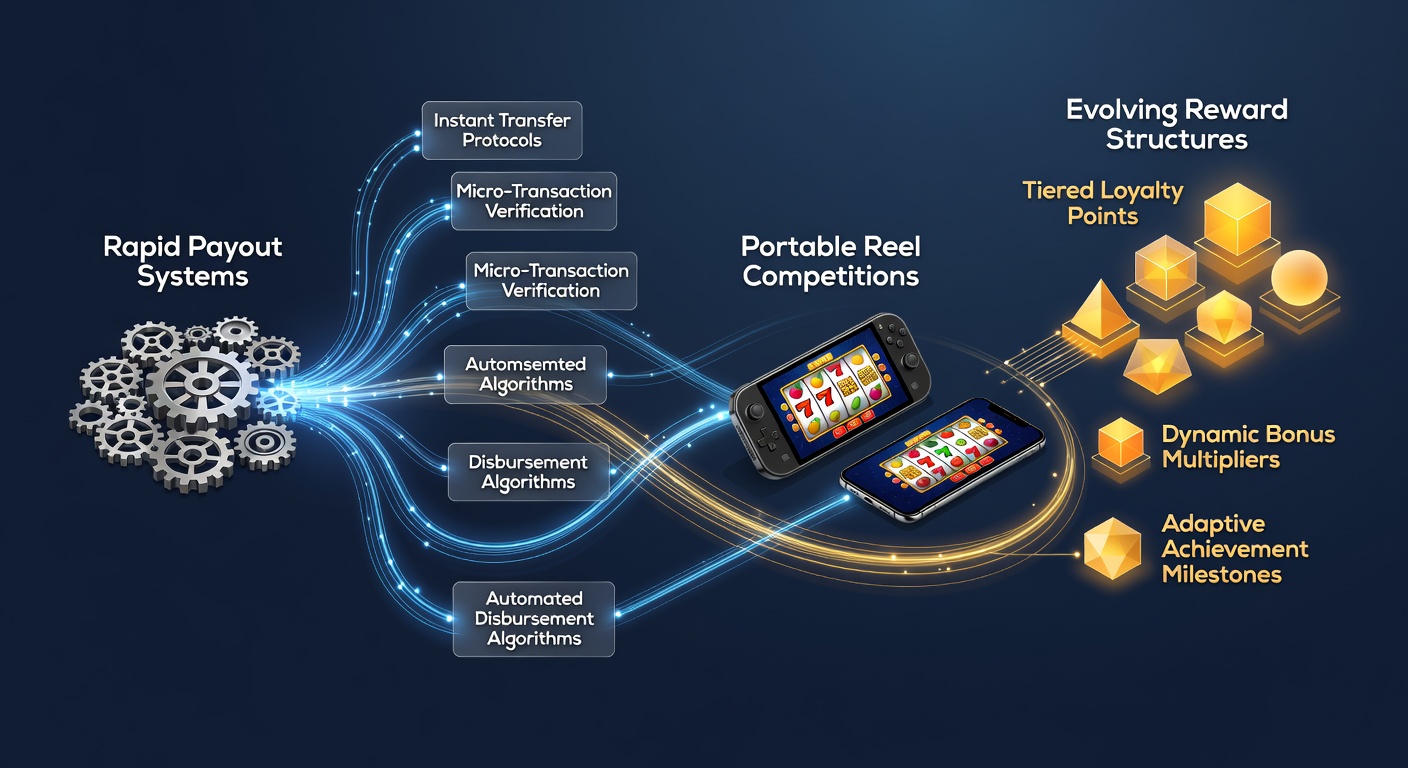
Portable reel competitions have seen transaction speeds accelerate through integrated payment gateways that process withdrawals in seconds rather than hours, and this acceleration connects directly to layered reward adjustments that respond to player activity metrics in real time. Data from industry tracking services shows these systems emerged prominently after 2023 updates to mobile app frameworks allowed seamless API links between banking partners and game servers, creating pathways where payout confirmation triggers immediate updates to leaderboard positions and bonus eligibility. Observers note that in May 2026 several platforms reported integration spikes following new compliance standards issued by bodies like the Nevada Gaming Control Board, which emphasized secure verification protocols without slowing fund movement.
Technical Pathways in Payout Acceleration
Developers built these pathways by layering blockchain verification layers onto traditional e-wallet rails, and this combination reduces settlement times while maintaining audit trails required by regulators across multiple jurisdictions. Research from the University of Nevada's gaming technology lab indicates that transaction latency dropped by an average of 78 percent between 2022 and 2025 when platforms adopted hybrid systems combining instant confirmation with post-transaction reconciliation. Those pathways extend further into reward engines because payout data feeds directly into algorithms that recalibrate prize multipliers or unlock tiered entries for upcoming reel events.
Evolving Structures in Reward Allocation
Reward structures have shifted from static daily bonuses toward dynamic allocations that scale according to payout velocity and frequency within portable competitions. Figures from the Canadian Gaming Association reveal that operators implementing velocity-based adjustments saw a 34 percent rise in repeat tournament entries during the first quarter of 2026. These adjustments appear as progressive multipliers applied to jackpot pools or as priority access passes to exclusive mobile leaderboards, and they activate only after the system confirms cleared funds rather than pending requests. Such mechanics create feedback loops where faster payouts increase opportunities for higher-stakes participation in subsequent rounds.
Case Examples From Recent Deployments
One deployment tracked by European gaming analysts involved a series of portable reel events where payout speed determined entry into escalating reward brackets, and participants who completed withdrawals within ninety seconds gained access to an additional spin pool unavailable to slower processors. Similar patterns surfaced in Australian markets where the National Association for Gambling Studies documented correlations between transaction speed and VIP progression rates during multi-week mobile tournaments held in early 2026. These examples illustrate how the underlying payout infrastructure serves as the trigger mechanism for reward evolution rather than operating as a separate backend process.
Integration With Broader Platform Ecosystems
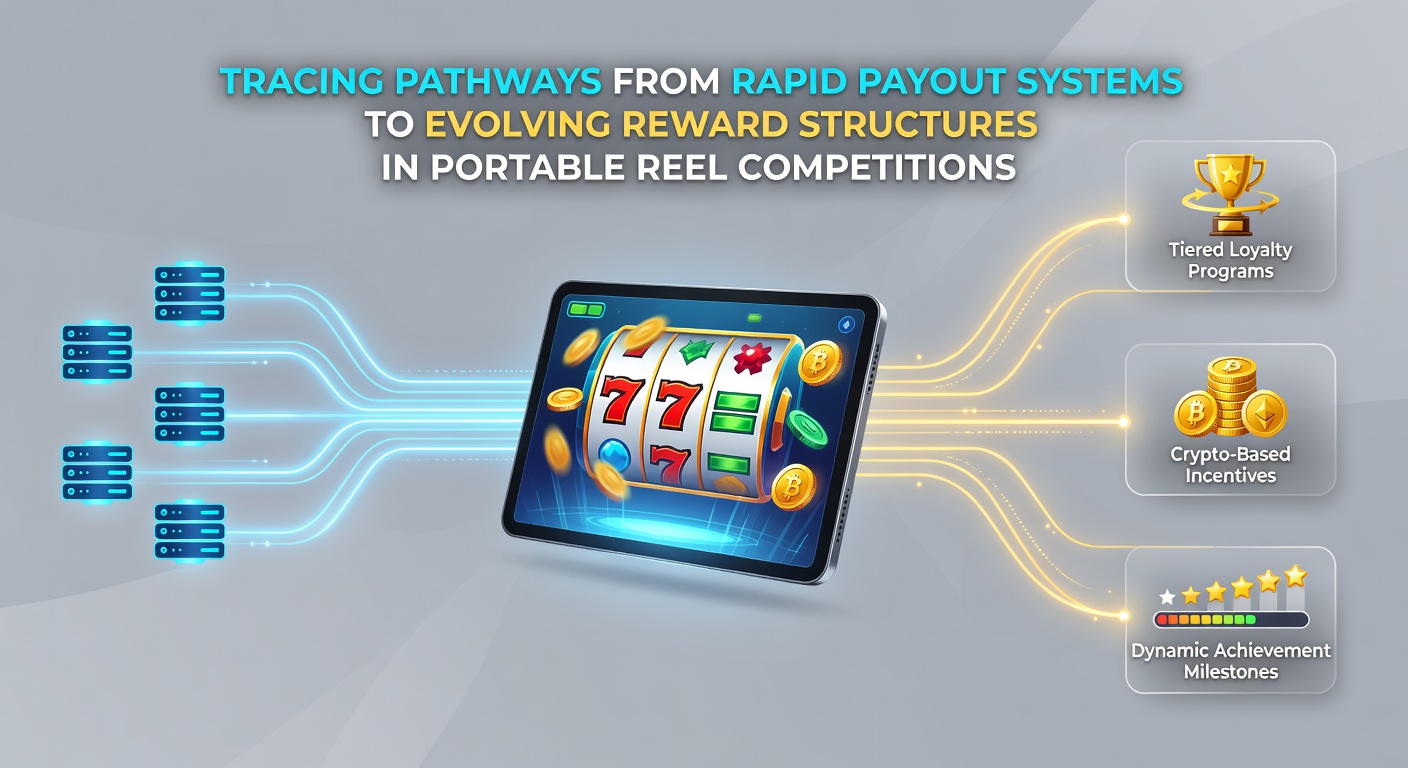
Platforms now embed these payout-to-reward connections within larger ecosystems that include live event feeds and cross-device synchronization, allowing players to move between handheld sessions and maintain continuous reward tracking. Evidence compiled by the World Lottery Association shows that synchronized systems reduce player drop-off rates during tournament transitions by maintaining active reward states across devices. The connections rely on standardized data packets that carry both payout status and accumulated activity scores, which in turn determine eligibility for evolving structures such as personalized jackpot qualifiers or tiered free-play allocations updated hourly.
Regulatory Influences on Pathway Development
Regulatory frameworks in regions outside the UK have shaped these developments through requirements for transparent transaction logging and responsible play thresholds, and operators have responded by building compliance checkpoints directly into the payout sequence. Reports issued by the Massachusetts Gaming Commission in 2025 highlighted how such checkpoints can coexist with sub-second processing times when verification occurs in parallel streams rather than sequential steps. This parallel approach preserves the speed advantage while feeding verified data into reward calculation engines that adjust structures based on session length, wager volume, and payout history.
Future Trajectories in Portable Competition Design
Designers continue to refine the linkages between transaction systems and reward models by incorporating predictive analytics that anticipate payout patterns and pre-stage reward adjustments before funds clear. Studies published through the International Centre for Gaming Research at the University of Sydney project further compression of these pathways as 5G and subsequent network standards become standard in mobile environments. The resulting structures are expected to feature real-time adaptive brackets that respond to both individual payout behaviors and aggregate tournament data collected across global user bases.
Conclusion
Connections between rapid payout systems and evolving reward structures in portable reel competitions rest on integrated data flows that convert transaction confirmations into dynamic incentive adjustments, and these flows have expanded steadily through 2026 under varied regulatory environments. Continued refinement of the underlying pathways promises additional layers of responsiveness in how rewards are calculated and distributed during mobile events.