23 May 2026
Mobile Technology Reshapes Competitive Frameworks Across Digital Gaming Platforms
Modern gaming platforms have integrated mobile accessibility features that directly influence how tournaments operate, from entry processes to real-time scoring systems, and data from industry reports shows participation rates climbing steadily through 2026. Observers note that smartphones enable users to join competitions without fixed locations or schedules, which alters traditional bracket designs and reward distribution methods. Research indicates that platforms relying on mobile interfaces achieve higher engagement metrics because players receive instant notifications about new rounds or leaderboard shifts.
Core Elements of Mobile Accessibility in Gaming
Developers prioritize responsive design, low-data modes, and cross-device synchronization so participants maintain progress across sessions, while features such as biometric login and cloud saves reduce barriers for frequent competitors. Those who track usage patterns report that push alerts about tournament starts increase retention, and seamless payment integrations allow entry fees to process within seconds. Studies from the Australian Communications and Media Authority highlight how regional networks support these functions, resulting in broader geographic reach for events that once required desktop setups.
Adaptations in Tournament Structures
Tournament organizers adjust formats to accommodate mobile users by shortening match durations, introducing asynchronous play options, and implementing auto-matchmaking algorithms that pair players based on device performance data. Evidence from platform analytics reveals that mobile-first events often feature progressive elimination stages where rankings update continuously rather than at fixed intervals. This structure supports global audiences across time zones, and operators incorporate anti-cheat measures tailored to touch-screen inputs and variable connection speeds.
Interplay Between Access and Competition Design
Platforms combine mobile tools with tournament mechanics through live leaderboards that refresh on handheld screens, integrated chat systems for team coordination, and reward tiers unlocked via cumulative mobile session data. Data shows these elements create feedback loops where accessibility improvements lead to more complex scoring systems, such as multipliers for consecutive daily logins or device-specific challenges. In May 2026 several major operators rolled out unified APIs that link mobile wallets directly to prize pools, allowing instant distribution after event conclusions without additional verification steps.
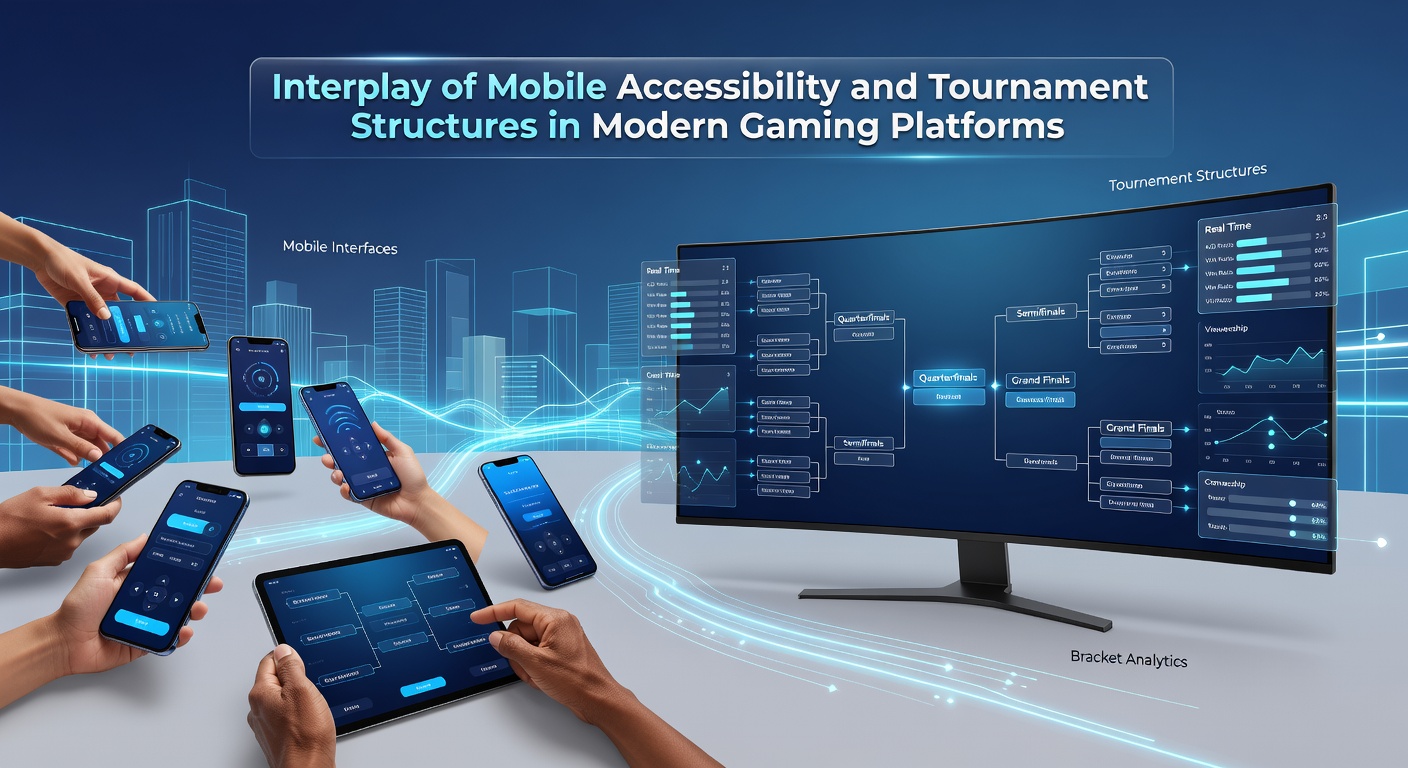
What's interesting is how mobile constraints sometimes drive innovation, prompting designers to favor shorter rounds and visual indicators over lengthy strategy phases. Researchers at institutions examining digital entertainment note that this shift expands inclusion for casual participants while maintaining competitive integrity through standardized rule sets applied uniformly regardless of hardware. Case examples include series where mobile qualifiers feed into larger offline finals, blending digital entry points with physical culmination events.
Regional Variations and Data Trends
North American markets demonstrate faster adoption of mobile tournament apps compared with some European counterparts, according to figures from the American Gaming Association, whereas Asian platforms emphasize social features embedded in tournament apps. These differences affect prize structures, with mobile-heavy regions favoring micro-rewards distributed throughout events rather than single large payouts. Global reports compiled in early 2026 indicate average session lengths on mobile devices during tournaments have stabilized around 25 minutes, influencing how organizers set round timers and break schedules.
Security protocols also evolve alongside accessibility gains, incorporating device fingerprinting and behavioral analytics to verify legitimate play during mobile competitions. Industry organizations track these developments to establish best practices that balance convenience with fair outcomes across diverse user bases.
Conclusion
The documented connections between mobile capabilities and tournament mechanics continue to expand as platforms refine both areas in tandem, with ongoing data collection guiding future adjustments. Observers track these developments through performance metrics and participation statistics that reveal sustained growth in mobile-driven events through mid-2026 and beyond.