27 Jun 2026
Payment Diversity Drives Rapid Progression in Mobile Game Reward Structures
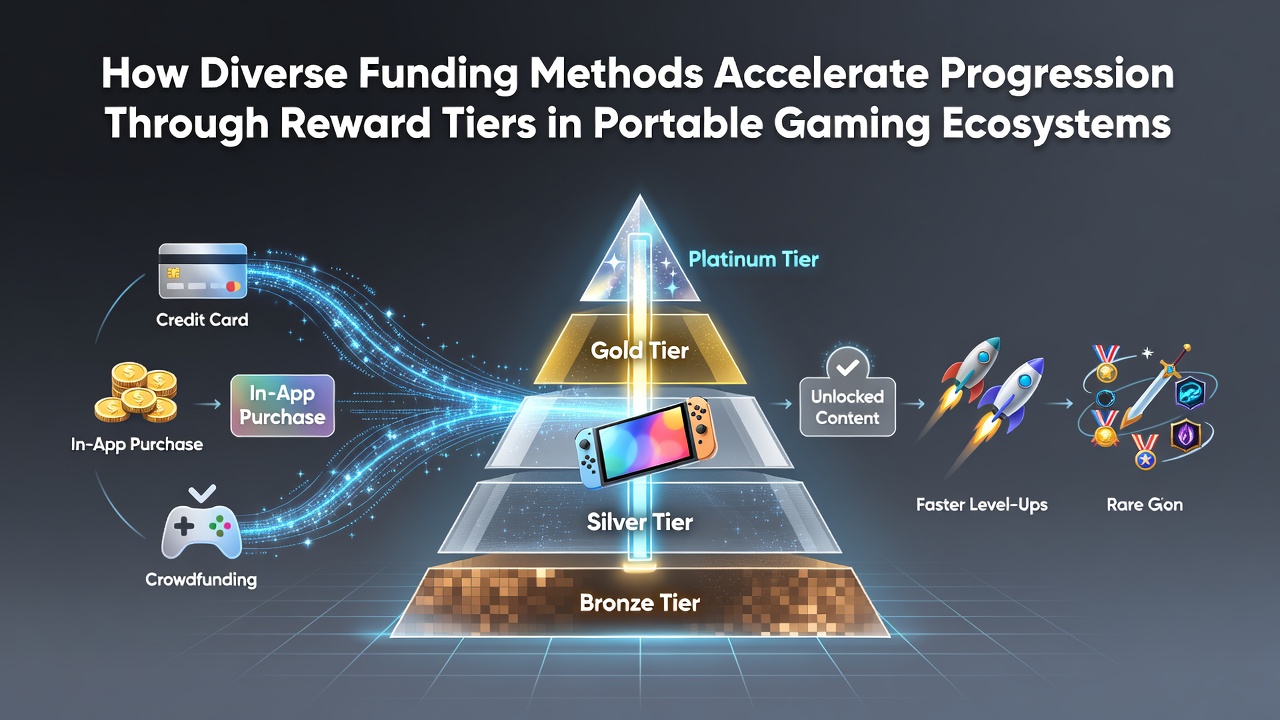
Portable gaming ecosystems rely on layered reward structures that unlock content, cosmetics, and competitive advantages as players accumulate points or complete challenges, and multiple funding channels allow participants to bypass time-based barriers that typically slow advancement in free-to-play titles. Developers integrate credit cards, digital wallets, carrier billing, and subscription services into the same application frameworks, which creates parallel pathways for resource acquisition that compound over short periods. Research from industry tracking firms shows that titles supporting three or more distinct payment rails record higher average tier completion rates within the first thirty days of play compared with single-method environments.
Core Mechanics of Reward Tiers in Handheld Ecosystems
Most portable games structure progression around experience thresholds, battle pass levels, or prestige ranks that require repeated in-game actions or direct purchases of premium currency, and these systems reward consistent engagement while offering optional shortcuts through real-money transactions. Players who combine daily login bonuses with targeted purchases often reach mid-tier milestones weeks ahead of those relying solely on organic play, because each funding method converts cash into different bundles of time-saving assets. Observers note that the fastest climbers frequently rotate between one-time packs for immediate boosts and recurring subscriptions that deliver steady resource streams without repeated checkout friction.
Impact of Multiple Payment Channels on Advancement Speed
When applications accept credit cards alongside mobile carrier billing, users in regions with limited card penetration gain immediate access to the same reward tiers available to cardholders, which expands the pool of participants who can accelerate progress. Digital wallet integrations reduce checkout steps from five taps to two, and the resulting drop in abandonment rates translates directly into higher volumes of tier-skipping purchases during peak play sessions. Data collected across major app stores indicates that games adding a fourth payment option see a measurable uptick in daily active users who cross into higher reward brackets within the same calendar month.
Subscription Models and Continuous Tier Momentum
Recurring payment plans provide predictable inflows of premium currency or experience multipliers that keep players on an upward trajectory even during periods of reduced playtime, and this steady drip compounds with occasional one-time purchases to push participants through multiple tiers in rapid succession. Studies conducted by academic researchers at the University of Melbourne have documented cases where subscription holders reached elite ranks 40 percent sooner than non-subscribers across matched cohorts of similar play frequency. The model works because it removes the decision friction that accompanies each individual purchase, allowing accumulation to occur in the background while users focus on core gameplay loops.
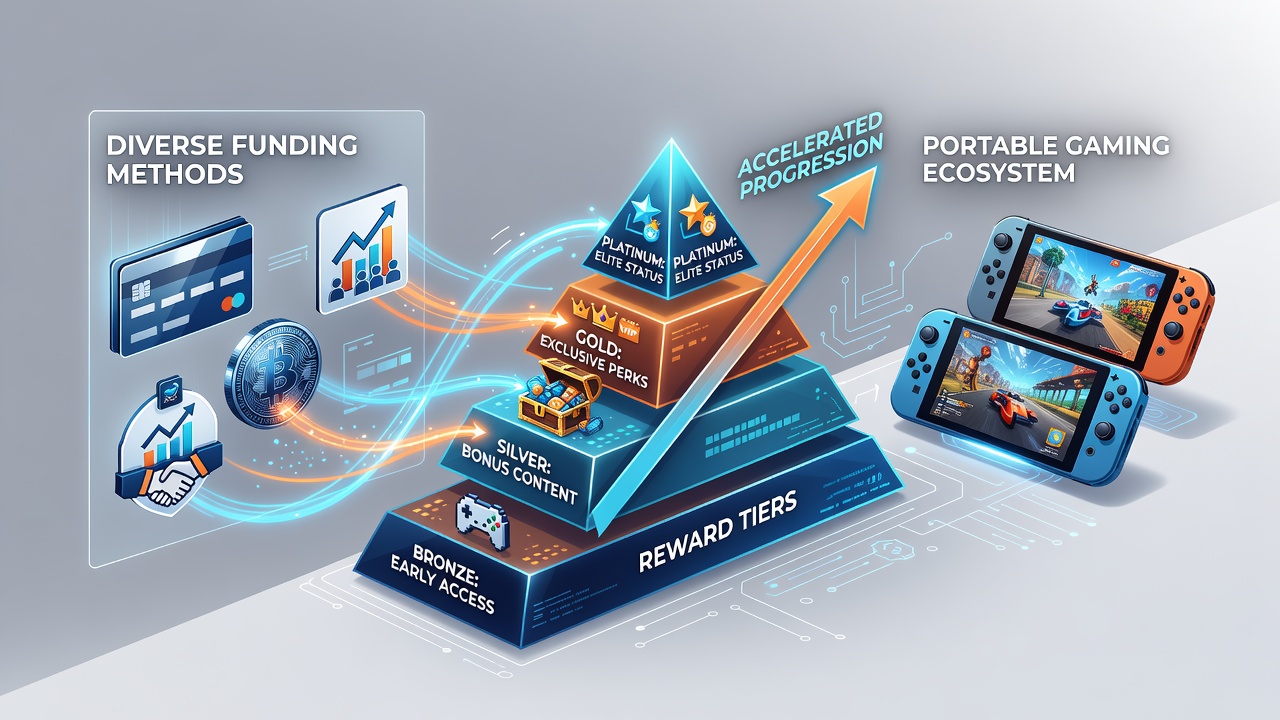
Regional Payment Preferences and Global Tier Dynamics
Geographic differences in preferred funding methods create uneven acceleration patterns across markets, with carrier billing dominating in parts of Southeast Asia while credit cards and PayPal remain primary in North America and Europe. Developers who localize payment options to match these preferences report faster overall tier movement in those territories because fewer players encounter checkout friction. A 2025 report issued by the Entertainment Software Association highlighted that cross-border titles offering localized wallets experienced tier advancement rates 25 percent above the global average during the measurement period.
June 2026 Platform Updates and Emerging Funding Integration
Platform operators announced in June 2026 that several major app stores would expand support for instant bank transfers and tokenized card credentials within gaming applications, changes that reduce processing latency and allow simultaneous multi-currency purchases during limited-time events. These updates coincide with new device-level APIs that let games detect and prioritize the fastest available funding rail for each user, which further compresses the time required to convert cash into tier-advancing resources. Early adoption data from participating studios shows measurable compression of the average days needed to reach top reward brackets among users who activate the new options.
Case Examples from Leading Portable Titles
One widely played battle arena game introduced carrier billing alongside its existing card and wallet options in early 2025, after which leaderboard analysts recorded a sharp rise in the number of players crossing into the highest prestige tier within the same week of a major season launch. Another role-playing title added region-specific digital gift cards that converted instantly into account credit, enabling players in markets with restricted international cards to match the progression pace of users elsewhere. Observers tracking these titles note that the combination of instant and recurring methods consistently produces the steepest tier-climb curves across demographic segments.
Conclusion
Diverse funding methods embedded in portable gaming applications create multiple simultaneous routes for resource acquisition that collectively shorten the calendar time required to advance through reward tiers. As platform capabilities expand and regional preferences receive broader support, the gap between organic and accelerated progression continues to narrow for those who utilize the available channels. The pattern holds across genres and markets because each additional payment rail removes a distinct barrier that previously limited how quickly players could convert external value into in-game advancement.