30 Jul 2026
Payment Flexibility Enhancing Cross-Game Leaderboard Participation and Loyalty Engagement
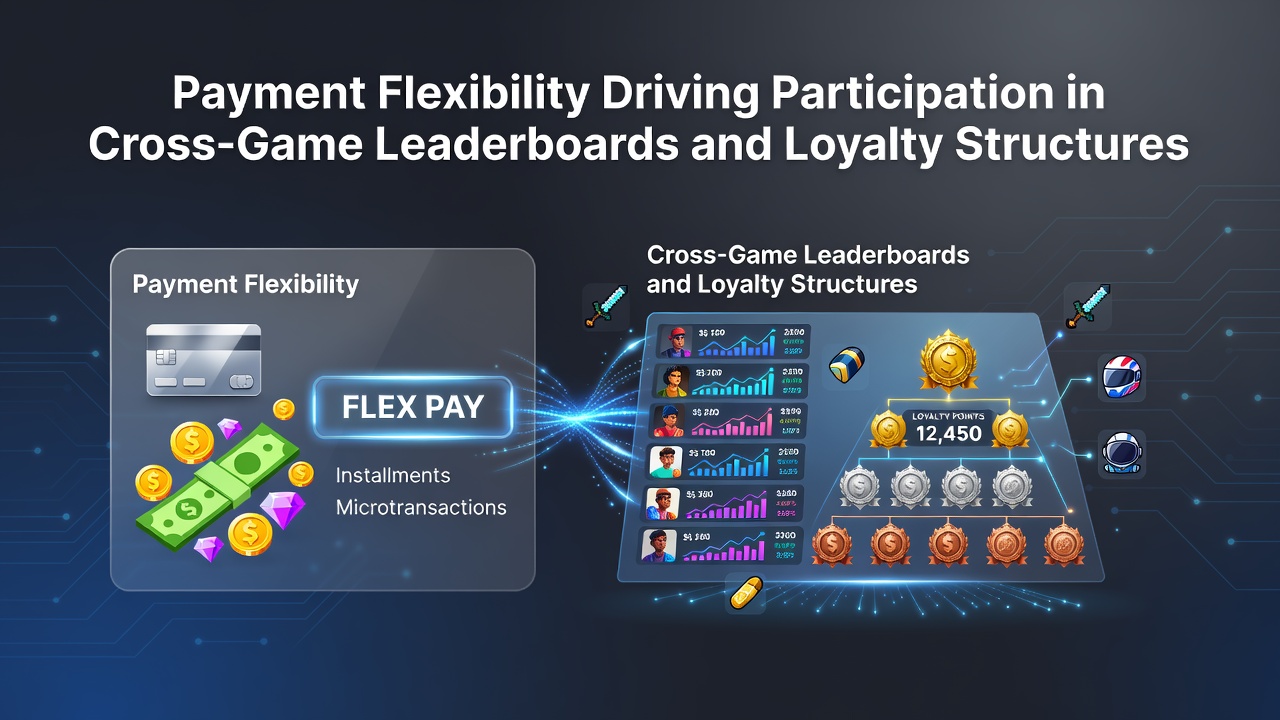
Payment flexibility has emerged as a key factor in how players interact with cross-game leaderboards and loyalty structures across digital casino platforms, according to industry reports and regulatory data from multiple regions. Operators have expanded options including instant bank transfers, e-wallets, and prepaid methods, which allow quicker entry into tournaments spanning slots, table games, and live dealer experiences. Data from the American Gaming Association shows that platforms offering same-day processing see higher volumes of repeated tournament entries compared to those with longer settlement times.
Mechanics Behind Cross-Game Leaderboards
Cross-game leaderboards compile scores from multiple titles into single rankings, often tied to loyalty points that unlock tiered rewards such as bonus credits or exclusive events. Payment flexibility supports this by reducing friction during deposit and withdrawal cycles, enabling players to maintain momentum without delays between sessions. Researchers at the University of Sydney noted in a 2024 analysis that seamless transaction options correlate with sustained leaderboard climbs, as participants avoid interruptions that previously caused drop-offs mid-competition.
Operators integrate these systems so that deposits made through flexible channels automatically qualify for leaderboard tracking, while loyalty accumulation runs in parallel. This setup creates unified progress bars where activity across genres feeds one profile, and payment speed determines how frequently users can re-enter or adjust stakes.
Impact on Loyalty Structures
Loyalty programs benefit when payments clear rapidly because points post in real time, accelerating movement through VIP levels. Figures from Canadian provincial gaming authorities indicate that sites with multi-option gateways report 25 percent more active loyalty accounts than restricted counterparts. Players move between games without waiting periods, which keeps engagement consistent and encourages exploration of new titles linked to the same leaderboard.
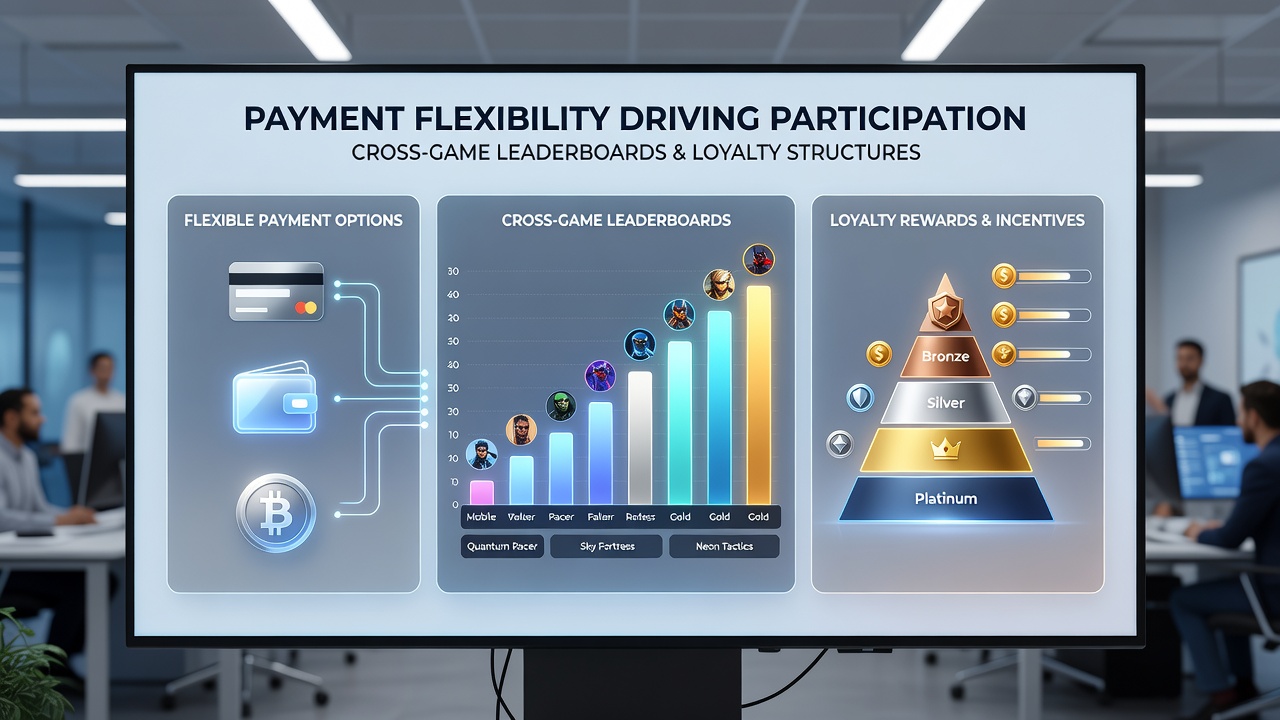
Those who've studied participation patterns observe that loyalty structures tied to flexible payments often include milestone bonuses triggered by cumulative spend across platforms. This encourages broader involvement rather than concentration on single games, since deposits process uniformly regardless of the title selected.
Regulatory Context and July 2026 Updates
Upcoming equipment standards effective July 2026 in several jurisdictions require updated transaction verification on gaming machines and terminals, which may further standardize payment flexibility for leaderboard eligibility. These rules aim to align physical and digital environments, ensuring that loyalty tracking remains accurate even when players switch between venue types. Industry groups such as the European Casino Association have published guidelines stressing the need for compatible payment rails to support unified scoring systems during this transition period.
Platforms preparing for these changes have begun testing hybrid models where mobile deposits feed directly into both physical and online leaderboards, maintaining continuity for loyalty progression. Observers note that regions adopting earlier versions of similar standards experienced measurable upticks in cross-format participation.
Examples from Operational Data
Take one major operator in Australia that introduced multiple payout speeds last year; leaderboard entries rose steadily as players used instant options to chase daily rankings across dozens of titles. Another case involved a North American platform where loyalty redemption rates climbed after e-wallet integration allowed instant point conversion during active tournaments. These shifts demonstrate how payment choices directly influence the frequency and duration of engagement with combined structures.
What's notable is the way smaller operators have followed suit, adopting similar gateways to remain competitive in markets where larger entities already provide rapid processing. Data indicates that once flexible payments become standard, leaderboard activity stabilizes at higher baselines without requiring additional promotional pushes.
Conclusion
Payment flexibility continues to shape how participants navigate cross-game leaderboards and loyalty frameworks by minimizing delays and supporting consistent activity across platforms. Regulatory developments around July 2026 are expected to reinforce these connections through standardized verification, while industry data from varied regions confirms the link between transaction speed and sustained involvement. As systems evolve, operators and players alike benefit from the streamlined pathways that keep rankings and rewards accessible.