20 Jun 2026
Reward Mechanisms in Mobile Casinos: Linking App Features to Player Advancement Systems
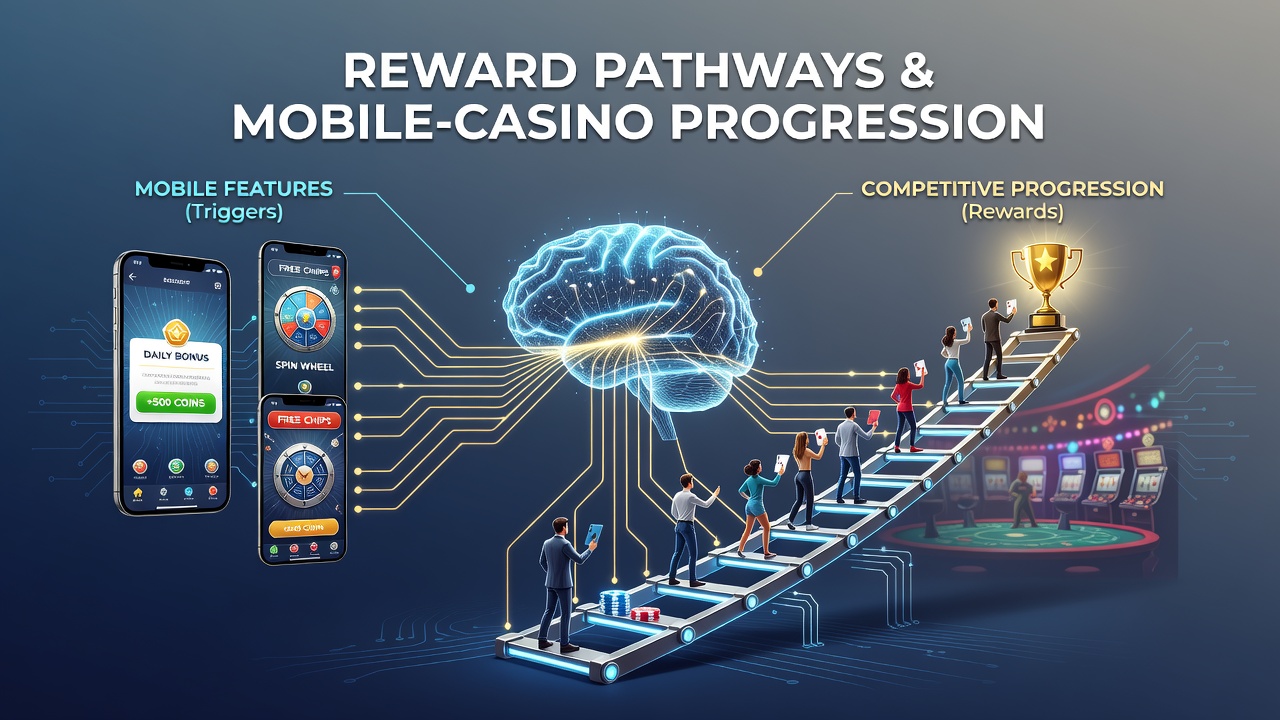
Digital reward systems in mobile casino applications operate through structured psychological mechanisms that tie user engagement directly to competitive advancement tracks, and these connections have drawn attention from researchers examining behavioral patterns across platforms. Data from industry reports indicate that features such as push notifications and streak counters activate dopamine responses similar to those observed in traditional reward conditioning studies, which in turn encourage repeated interactions that build toward higher status levels within casino ecosystems.
Psychological Foundations of Reward Pathways
Neuroscientific examinations reveal that variable reward schedules in mobile applications mirror those found in slot mechanics themselves, creating loops where users anticipate outcomes that reinforce continued play, and these patterns align with findings from behavioral psychology where intermittent reinforcements prove more persistent than fixed ones. Observers note that when apps deliver rewards at unpredictable intervals through bonus alerts or loyalty points, the resulting engagement metrics show sustained user retention rates over extended periods.
Studies conducted by academic institutions highlight how these pathways extend beyond simple entertainment, connecting instead to structured progression ladders that include tiered VIP programs and tournament qualifications. According to analyses from the University of Nevada Reno's gaming research division, mobile users who encounter frequent micro-rewards demonstrate accelerated movement through competitive ranks compared to those on desktop platforms alone.
Mobile Features Driving Competitive Progression
Leaderboards integrated into mobile casino apps display real-time rankings that tie individual performance to communal goals, and these displays often combine with free spin allocations or deposit multipliers to propel users toward exclusive events. The design incorporates swipe gestures and instant feedback loops that reduce friction between sessions, allowing seamless transitions from casual spins to ranked competitions where accumulated points determine bracket placements.
Payment integrations play a supporting role here as well, with swift transaction confirmations unlocking immediate eligibility for ongoing tournaments, whereas delays in processing have been shown in operational data to correlate with drops in progression velocity. Features like daily login bonuses accumulate into larger milestone rewards that feed directly into VIP qualification criteria, creating measurable pathways from initial download to elite status.
Data Patterns Emerging in Mid-2026
Reports compiled through June 2026 indicate spikes in leaderboard participation following updates to mobile notification systems across multiple operators, with participation rates climbing in tandem with refined reward timing algorithms. Figures from the American Gaming Association reveal that mobile-exclusive tournaments accounted for a growing share of overall player activity, linking app-based features to measurable advances in competitive standings.
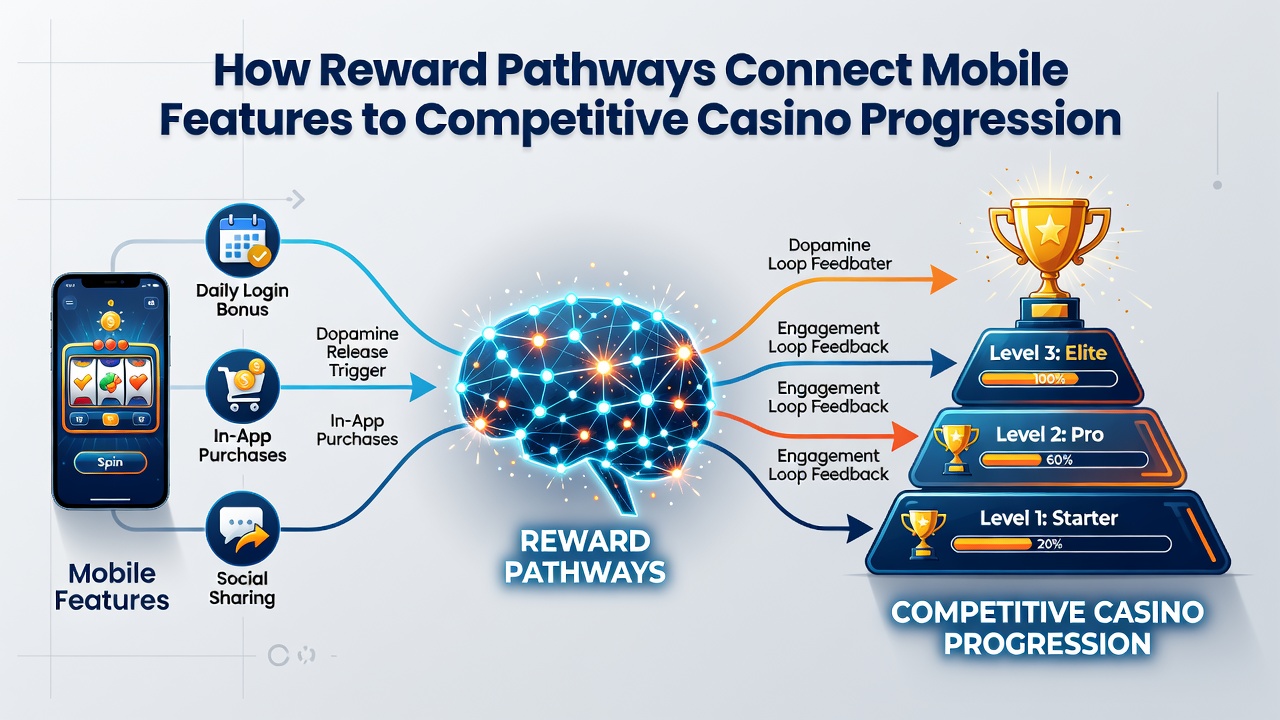
Those who've tracked these developments point to case examples where targeted feature rollouts produced documented increases in user progression through casino hierarchies, and similar patterns appear in cross-regional comparisons. Research from the Australian Gambling Research Centre connects similar mobile mechanics to shifts in how players navigate bonus structures toward sustained competitive involvement.
Integration of Competitive Elements
Tournament formats within mobile environments blend individual reward triggers with group-based challenges, where personal achievements contribute to team or regional standings that unlock further privileges. This layered approach ensures that basic app interactions accumulate value over time, converting routine sessions into stepping stones for higher-stakes opportunities and status elevations.
Evidence from operational reviews suggests that when mobile features emphasize visible progress indicators, such as experience bars and rank meters, users exhibit stronger tendencies to pursue the next tier rather than disengaging after initial rewards. The result manifests in extended play cycles that align individual reward pathways with broader competitive frameworks maintained by casino operators.
Conclusion
Connections between mobile reward mechanisms and casino progression systems continue to evolve through iterative design choices that prioritize measurable engagement outcomes. Available data from multiple regions underscore how these elements function together to shape player trajectories without reliance on any single regulatory framework. Continued monitoring of feature implementations will likely clarify additional linkages as platforms adapt to user behavior patterns observed through 2026 and beyond.