14 Jul 2026
Seamless Transactions Elevating Player Positions in Handheld Live Gaming Competitions
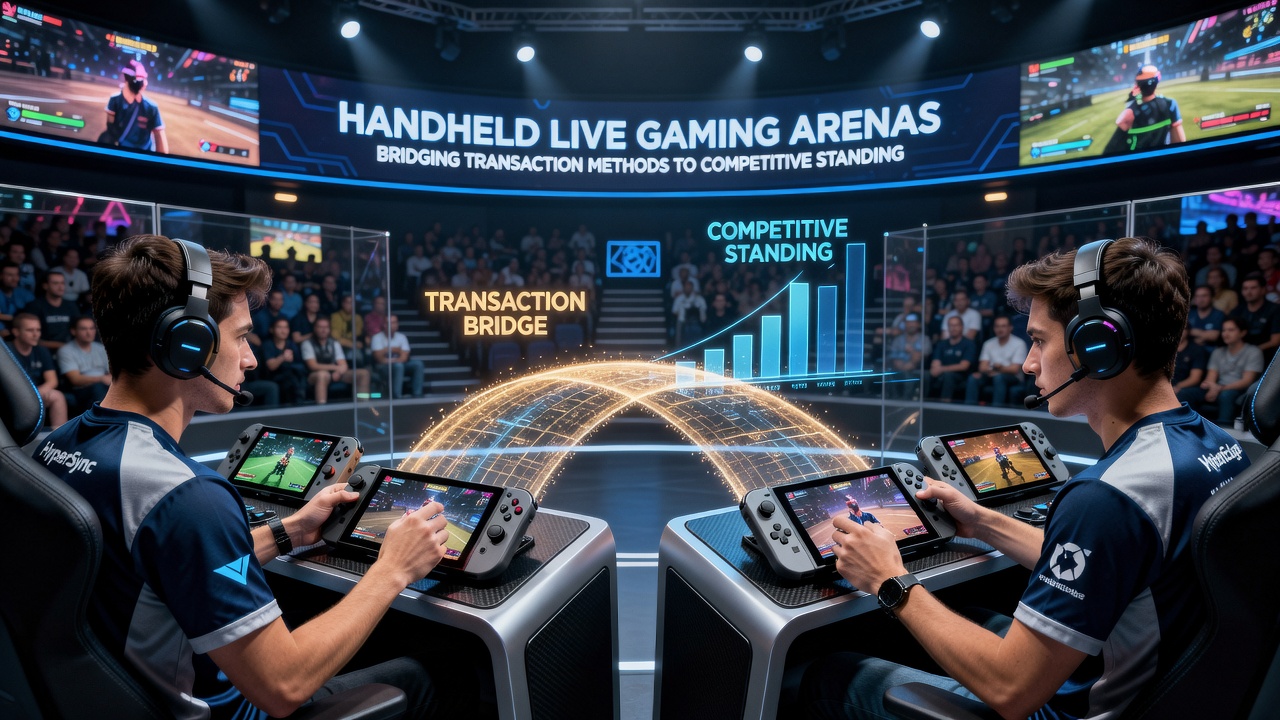
Transaction methods now serve as direct pathways to improved standings in handheld live gaming arenas where speed and reliability determine leaderboard outcomes. Observers note that players who access instant deposit options complete entries into time-sensitive tournaments faster than those relying on traditional processing delays. Research from the American Gaming Association indicates that integrated payment systems correlate with higher participation rates across mobile platforms during peak competition windows.
Live gaming arenas on handheld devices combine real-time interaction with competitive formats such as slot battles and VIP ladder climbs. Data shows that payment gateways supporting multiple currencies and instant confirmations allow competitors to maintain momentum between rounds without interruption. Those who've studied mobile tournament logs find that delays in fund transfers often result in missed registration deadlines which directly affect final rankings and reward allocations.
Payment Integration Patterns Across Global Markets
Operators in various regions have aligned transaction frameworks with competitive structures to support continuous play. Australian regulatory reports highlight how digital wallet linkages enable seamless entry into leaderboard events while reducing friction during high-stakes sequences. Canadian provincial analyses similarly reveal that platforms offering rapid verification processes see elevated retention among players pursuing elite tier placements through successive tournament rounds.
July 2026 marks a period when several jurisdictions plan updates to machine and device standards that indirectly influence payment compatibility in live arenas. These adjustments focus on ensuring transaction security protocols meet evolving technical requirements for handheld systems without disrupting ongoing competitions. Industry organizations such as the European Gaming and Betting Association have documented how standardized payment interfaces contribute to smoother transitions between deposit actions and active gameplay sessions.
Leaderboard Dynamics and Transaction Speed
Competitive standing in these arenas depends on cumulative performance metrics that include both game results and participation frequency. Figures from academic studies on digital gaming behaviors demonstrate that faster transaction cycles support repeated entries which accumulate points toward VIP status and exclusive rewards. Players using verified instant methods often secure positions in daily or weekly showdowns that slower systems cannot match due to processing lags.
One documented pattern shows platforms incorporating crypto-based options alongside conventional cards achieve broader accessibility for international competitors. This approach expands the pool of participants while maintaining compliance with regional financial rules. What's notable is the direct link between payment confirmation times and the ability to chain multiple tournament sessions within limited timeframes.
Case Examples from Tournament Environments
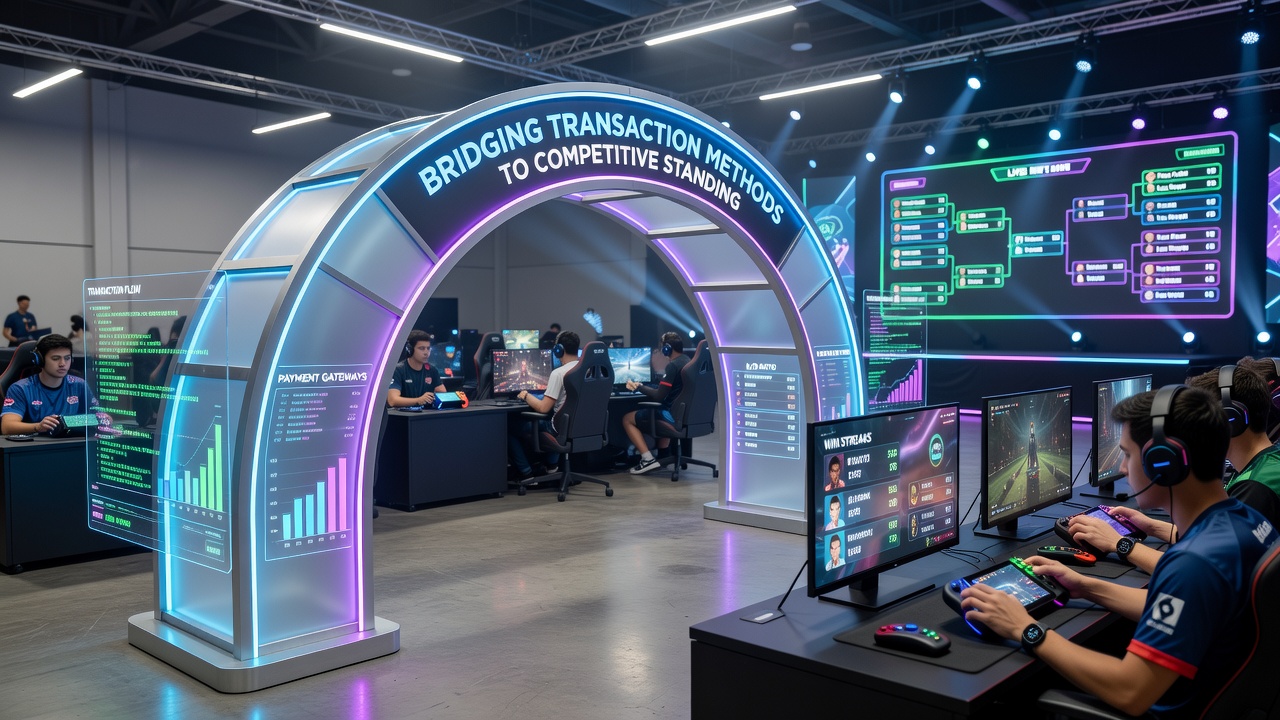
Take one operator in a North American market who implemented multi-channel payment verification and observed measurable shifts in player distribution across leaderboard tiers. Participants utilizing these channels advanced through qualification stages at higher rates because deposits cleared before event cutoffs. Similar observations appear in reports tracking handheld device usage where integrated banking apps reduce the steps between funding and engagement.
Another instance involves regional platforms that introduced reward-linked transaction bonuses tied directly to tournament performance. These mechanisms create feedback loops where successful payments unlock additional entries or bonus multipliers that influence overall competitive outcomes. Research indicates such features concentrate activity among users who prioritize efficiency in their transaction workflows.
Regulatory and Technical Considerations
Authorities outside the primary UK framework have examined how payment reliability intersects with fair competition standards in mobile environments. Updates scheduled around mid-2026 emphasize device-level authentication that complements transaction security without adding layers that slow user access. Observers note that compliance with these emerging standards helps platforms sustain uninterrupted leaderboard operations during live events.
Technical infrastructure supporting live arenas must handle simultaneous payment validations alongside game state updates. Data from industry research groups shows that scalable gateway architectures prevent bottlenecks which otherwise fragment player engagement across handheld sessions. This infrastructure underpins the connection between transaction fluidity and sustained competitive presence.
Conclusion
Transaction methods continue to shape competitive trajectories in handheld live gaming arenas through their influence on entry speed, participation volume, and reward accessibility. Evidence from multiple markets confirms that efficient payment systems align with the demands of real-time tournaments and leaderboard progression. As technical standards evolve toward July 2026 and beyond, platforms that maintain robust transaction bridges position participants for consistent advancement in these dynamic environments.