21 Jul 2026
Synchronized Live Dealer Sessions and Slot Tournaments Forge Cascading Rewards for Mobile Casino Players
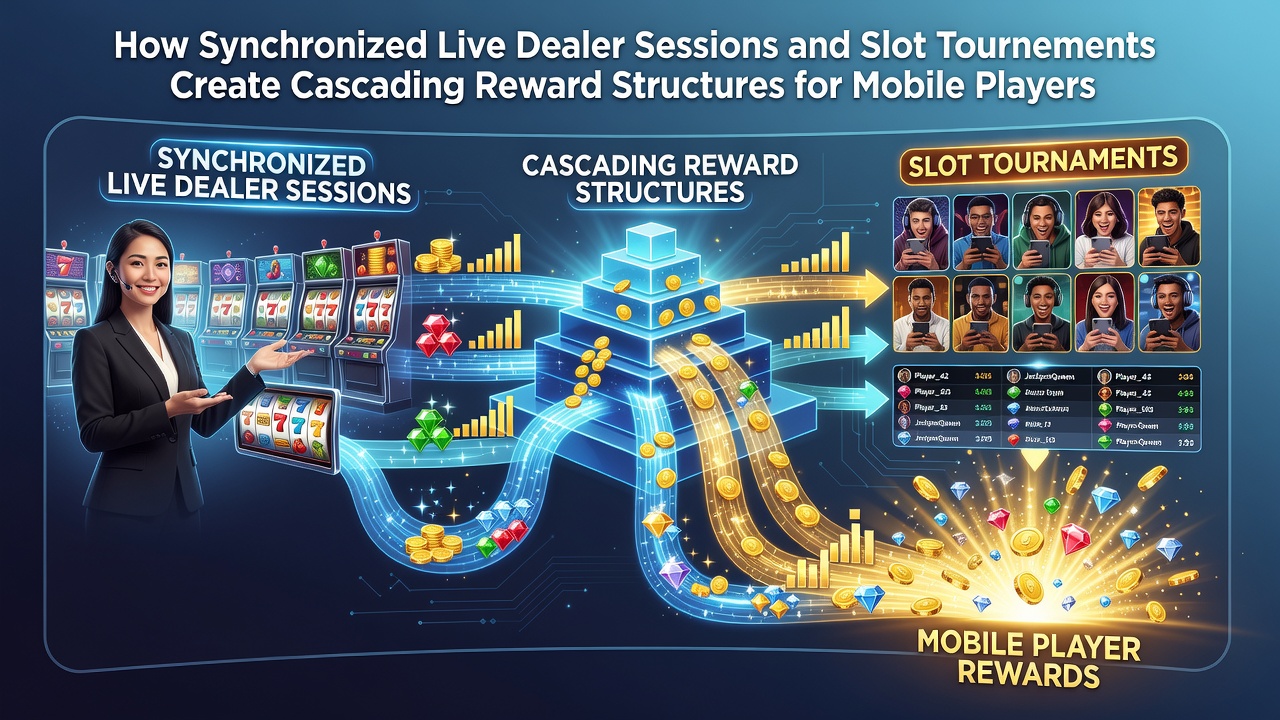
Mobile casino platforms now link synchronized live dealer sessions directly with slot tournaments through shared data streams and real-time triggers that stack rewards across both formats, and this integration creates layered bonus opportunities that build on one another as players move between activities. Live dealer tables broadcast outcomes that feed into tournament point systems while slot competitions unlock entry passes for upcoming dealer rounds, which means participants accumulate multipliers and free credits that activate automatically once thresholds are met.
Mechanics Behind Live Dealer and Tournament Integration
Operators run live dealer sessions on fixed schedules that align with tournament start times so mobile users receive notifications when a session begins and their prior tournament performance qualifies them for bonus stacks. Data shows these synchronized events increase session lengths because players stay engaged while waiting for the next shared round or leaderboard update, and the connection works through APIs that track spins, bets, and wins in both environments simultaneously.
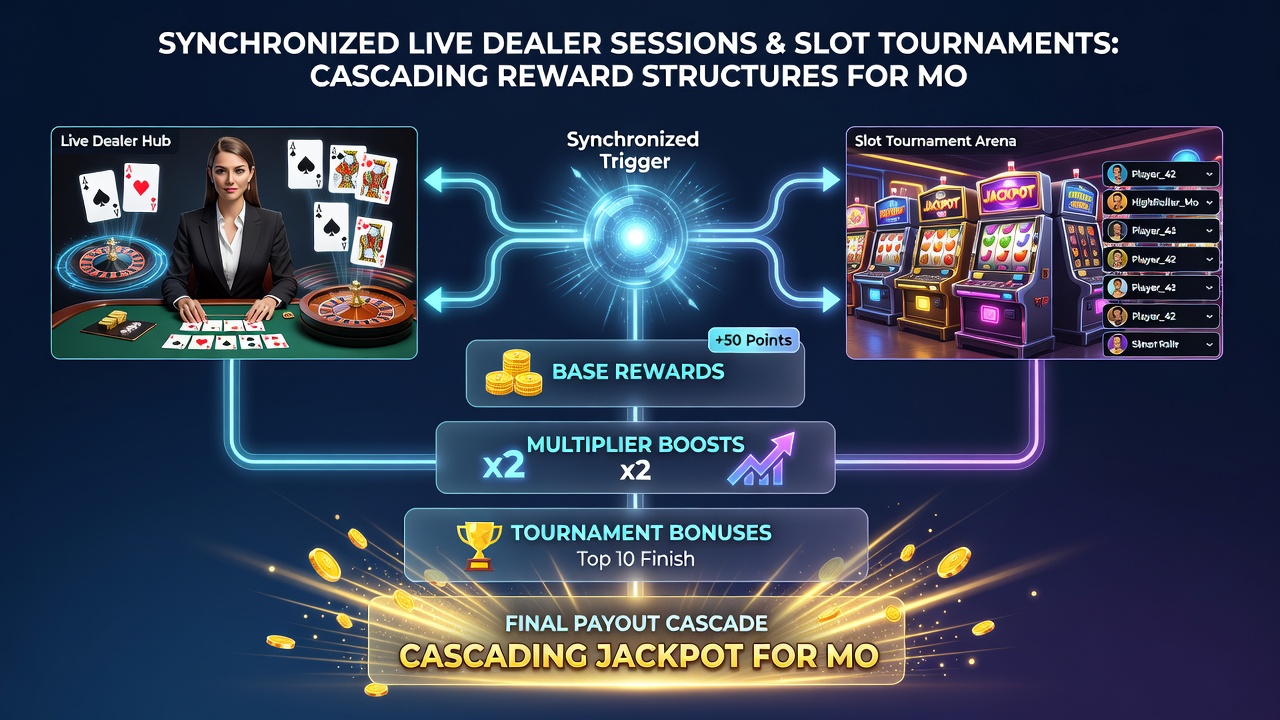
Slot tournaments typically feature timed leaderboards where rankings determine prize tiers, and those same rankings now trigger access codes for live dealer tables that carry additional reward multipliers. Observers note that mobile apps display combined progress bars showing how many tournament points translate into live session credits, which reduces friction and encourages continuous play across formats. Research from the American Gaming Association indicates such cross-feature linkages have grown steadily in markets where real-time data sharing meets regulatory approval for mobile integration.
Cascading Structures in Practice
Cascading rewards occur when an initial slot tournament win generates a voucher that applies to a live dealer game, and that game then produces further entries or boosts for the next tournament cycle. Mobile systems handle this through automated distribution where winnings from one activity convert into playable credits or multipliers for the other, and the process repeats as long as the player maintains activity within the linked sessions.
One documented pattern involves players completing a set number of spins in a tournament that unlocks a private live dealer table with higher payout potential, and success there feeds back into leaderboard positions for subsequent events. Figures from industry reports reveal these chains often include progressive elements where accumulated rewards increase in value over multiple cycles, particularly when mobile notifications prompt immediate re-entry after each completion.
Role of Mobile Technology in Reward Layering
Mobile devices enable instant synchronization because push notifications and in-app updates keep players informed of status changes across both live sessions and tournaments without requiring separate logins. Developers have built backend systems that match user accounts to real-time event calendars, which ensures reward triggers activate correctly even when users switch between games rapidly.
Studies from university gaming labs, including work published by the University of Nevada Reno's gaming research center, highlight how geolocation and device telemetry help maintain fair play during synchronized events by verifying continuous participation. These technical features support cascading structures because they prevent reward duplication while allowing legitimate stacking of bonuses earned through different activities.
Regulatory Context and July 2026 Developments
Updated technical standards scheduled for July 2026 require mobile platforms to maintain audit logs of all reward transfers between live dealer sessions and tournaments, which strengthens transparency in cascading systems. Several jurisdictions have signaled alignment with these timelines so operators can prepare interfaces that display clear trails of how points convert into credits across formats.
Industry associations outside the UK have released guidance documents that outline acceptable methods for linking these features while preserving player funds separation, and mobile providers are already testing compliance modules ahead of the deadline. Data collected through these preparations shows early adopters achieve higher retention rates when reward cascades remain visible and verifiable on player dashboards.
Examples of Layered Reward Flows
Consider a scenario where a player enters a morning slot tournament, reaches a mid-tier ranking, and receives an automatic invitation to an afternoon live dealer blackjack session with a starting bonus. Wins from that session then add points to an ongoing weekly leaderboard, creating an unbroken chain that continues into evening events. Such sequences appear frequently in current mobile offerings because the underlying software tracks eligibility across all connected activities.
Another case involves shared jackpot pools where contributions from both tournament entries and live dealer bets accumulate together, and mobile users see their share grow in real time. Reports indicate these combined pools distribute larger prizes than isolated events, which further incentivizes participation in the synchronized schedule.
Conclusion
Synchronized live dealer sessions and slot tournaments establish cascading reward structures by connecting performance metrics, eligibility triggers, and automated distributions through mobile platforms. The result is a continuous cycle where activity in one format directly supports advancement in the other, supported by technical standards that take full effect in July 2026. Players encounter these systems through integrated apps that display progress across both environments, and available data confirms the pattern of layered rewards continues to expand in licensed markets.