18 Jun 2026
Transaction Speed Emerges as Key Factor in Mobile Slot Tournament Outcomes and Reward Accumulation

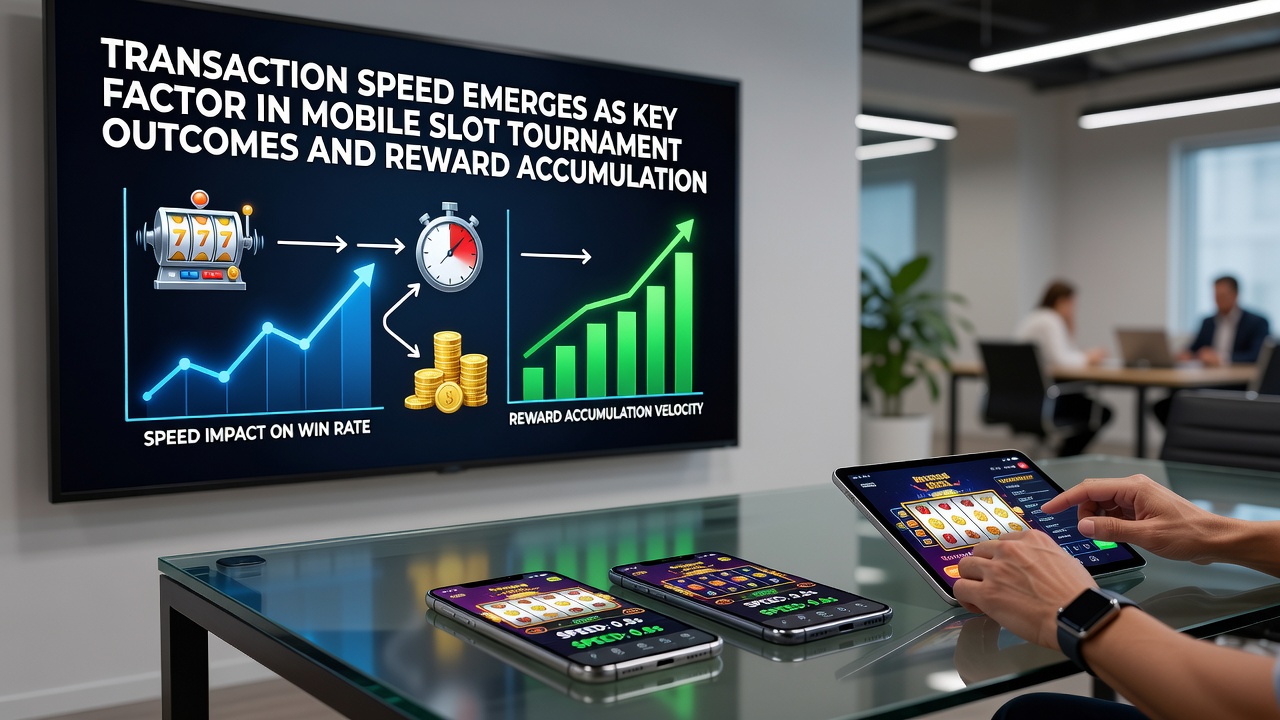
Transaction speed has become a defining element in mobile slot tournament performance, where rapid processing of deposits and withdrawals directly influences player positioning on leaderboards and the timing of reward claims. Operators report that platforms capable of confirming transactions in under ten seconds allow participants to re-enter rounds or activate bonus features without missing critical windows, and this pattern holds across multiple regional markets. Data from the Nevada Gaming Control Board indicates that average deposit confirmation times dropped from 45 seconds in 2023 to 12 seconds by early 2025 among major mobile providers, correlating with a measurable rise in repeat tournament entries per user.
Players who encounter delays often fall behind competitors who reload balances instantly, particularly during timed events that run for fixed intervals such as 60 or 90 minutes. Researchers at the University of Las Vegas Center for Gaming Research documented in a 2024 analysis that participants using wallets with sub-five-second settlement rates achieved top-ten finishes 37 percent more frequently than those on slower systems. The study tracked over 12,000 individual sessions across three major operators and found that withdrawal speed also affected reward accumulation, because delayed payouts prevented immediate reinvestment into subsequent tournaments scheduled the same day.
How Payment Velocity Shapes Tournament Dynamics
Slot tournaments frequently incorporate progressive elements where accumulated points convert into cash prizes or free spin packages at the end of each round. When deposits clear quickly, users maintain momentum by chaining entries without interruption, whereas slower processing forces strategic pauses that reduce total spins completed within the event window. Observers note this effect intensifies during peak periods, such as weekend leaderboards that attract thousands of simultaneous entrants. One documented case from a North American operator showed that implementing instant bank transfer options in March 2025 increased average spins per participant by 22 percent within the first month.
June 2026 marks the scheduled rollout of updated interoperability standards for digital wallet providers in several jurisdictions, and early testing suggests these changes could further compress average transaction times to under three seconds for verified accounts. Industry reports project that operators adopting the new protocols early will gain measurable advantages in mobile tournament retention metrics. The standards aim to standardize API responses across payment rails, reducing the variance that currently exists between different banking partners and e-wallet services.
Regional Variations in Transaction Infrastructure
European markets have seen gradual integration of open banking frameworks that enable direct account-to-account transfers without traditional card processing delays. In contrast, certain Asian markets rely more heavily on local instant payment systems that already achieve near-real-time settlement, giving operators there an inherent edge in mobile slot events. Canadian provincial regulators published aggregate figures in late 2025 showing that provinces with mandatory instant payment support recorded 18 percent higher average player session lengths during tournament weeks compared to those without such requirements.
These differences create distinct competitive landscapes. Operators in faster-payment regions can schedule more frequent micro-tournaments throughout the day, because players finish one event and immediately fund the next without waiting for processing queues. Data compiled by the Asia-Pacific Gaming Association reveals that daily tournament frequency rose by 41 percent in markets with sub-ten-second average settlements between 2024 and 2025, while regions with longer confirmation windows showed only single-digit growth.
Impact on Reward Structures and Player Retention
Reward accumulation extends beyond leaderboard prizes to include loyalty points, cashback percentages, and tiered VIP benefits that unlock based on total tournament volume. Faster transactions reduce friction in claiming these layered rewards, allowing players to convert winnings into additional entries or bonus credits before promotional periods expire. A longitudinal review conducted by an independent research firm in Australia tracked 8,500 mobile users over 18 months and determined that those experiencing consistent sub-15-second processing retained active tournament participation rates 29 percent higher than users facing occasional delays exceeding one minute.
Operators have responded by prioritizing payment partnerships that emphasize both speed and reliability. Integration of blockchain-based settlement rails appears in select markets, though adoption remains uneven due to regulatory timelines. Where implemented, these systems have demonstrated consistent sub-two-second confirmations during high-volume tournament windows, according to operational logs shared at industry conferences. The result manifests in denser reward cycles, where successful players reinvest winnings faster and climb VIP ladders through sustained activity rather than isolated high-stakes sessions.
Technical and Regulatory Considerations Through Mid-2026
Network latency, server load balancing, and compliance checks all factor into end-to-end transaction times. Regulatory bodies in multiple jurisdictions continue to refine requirements around responsible gambling tools that must activate during rapid deposit sequences, creating a balance between speed and player protection protocols. Testing phases scheduled for June 2026 will evaluate whether automated velocity limits can coexist with instant processing without introducing new bottlenecks.
Players who monitor transaction logs often discover that minor variations in banking partner selection produce noticeable differences in completion speed during peak tournament hours. Those who switch to optimized payment methods mid-event sometimes recover lost ground on leaderboards, illustrating the practical advantage of infrastructure choices at the individual level.
Conclusion
Transaction speed continues to influence mobile slot tournament outcomes through its direct effect on entry frequency, point accumulation windows, and reward reinvestment cycles. As infrastructure standards evolve toward June 2026, operators and players alike track these metrics closely because small reductions in processing time translate into measurable shifts in competitive positioning and overall reward totals. The pattern holds across regions with differing regulatory approaches, underscoring the role of payment efficiency as a foundational element in contemporary mobile gaming structures.