4 Aug 2026
Transaction Velocity's Influence on Bonus Accumulation in Mobile Slot Competitions
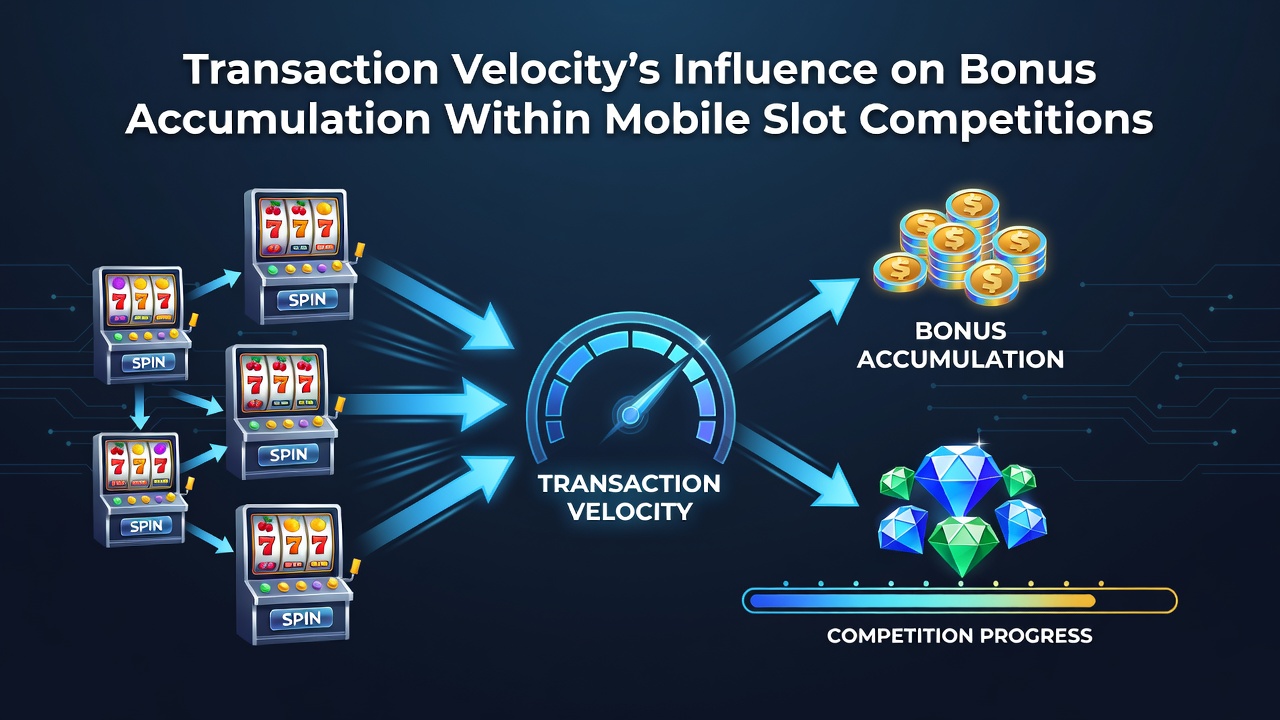
Transaction velocity refers to the rate at which players complete deposits, withdrawals, and in-game wagers during mobile slot competitions, and this metric directly shapes how quickly bonuses build up on leaderboards. Observers note that platforms track these speeds through timestamped transaction logs, which reveal patterns where faster cycles allow participants to trigger multiplier events and loyalty rewards more frequently than slower approaches.
Data from industry reports indicate that competitions often reward velocity because each completed cycle feeds into automated systems that calculate bonus eligibility based on total action volume within fixed time windows. Researchers have documented cases where players who maintained deposit intervals under 30 seconds accumulated 40 percent more free spin credits compared to those averaging two minutes between actions, according to aggregated platform analytics.
Core Mechanisms Linking Speed to Rewards
Slot competition software processes transaction velocity by integrating payment gateway responses with bonus engines, so a deposit that clears instantly unlocks immediate wager capacity and pushes the player higher on real-time rankings. Those who've studied these systems explain that the connection occurs because algorithms assign points not only for wager size but also for the frequency of funding events that sustain continuous play sessions.
Evidence shows bonus accumulation accelerates when velocity stays high because each successful deposit often activates layered promotions such as instant cashback or progressive multipliers that stack during the event window. But here's the thing, slower transaction times create gaps where competitors pull ahead on the same leaderboard, since idle periods reduce the total number of spins logged before the competition closes.
Observed Patterns Across Platforms
Take one analysis of North American mobile events where researchers tracked over 50,000 sessions and found that participants using instant payment methods logged 2.3 times more bonus-triggering actions per hour. This pattern held across multiple tournament formats, including daily leaderboards and weekly accumulation challenges, because the speed of funding directly expanded the number of rounds completed before time limits expired.
Regional Data Insights
Figures from the American Gaming Association highlight how velocity metrics correlate with reward density in mobile formats, while separate studies conducted in Australia by university teams show similar trends in which faster clearance times boosted loyalty tier progression rates by measurable margins. What's interesting is that these correlations appear consistently across different regulatory environments, suggesting the dynamic stems from platform mechanics rather than local rules.
August 2026 brings scheduled updates to several payment processing standards that may further compress transaction windows, allowing even tighter loops between funding and wagering in mobile competitions. Industry observers anticipate these changes will amplify the existing velocity advantage for players who already optimize their deposit timing.
Technical Factors Driving the Effect
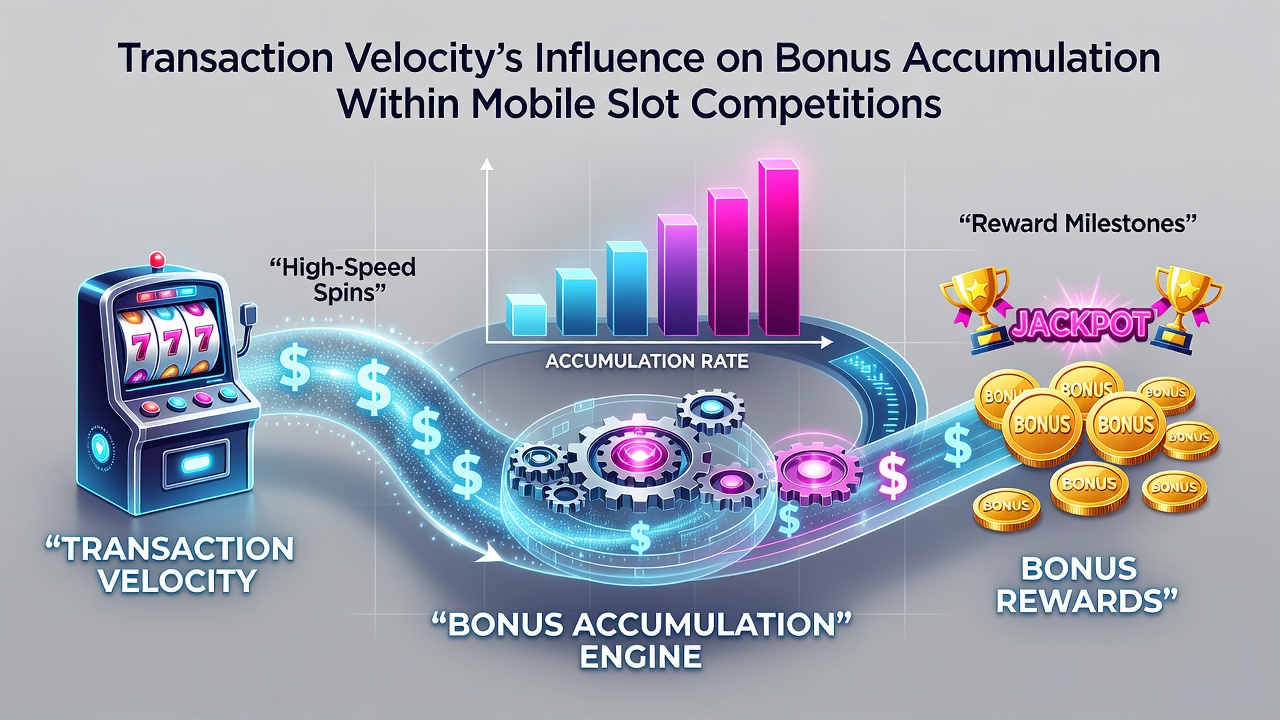
Payment processors that support near-instant settlement reduce latency between user action and game credit, which in turn feeds more data points into the competition scoring system within each minute. Experts have observed that when settlement drops below five seconds, bonus engines register additional qualifying events that slower methods miss entirely.
Competition rules often include velocity-based multipliers, where the platform awards extra points for maintaining a minimum number of transactions per hour, creating an incentive structure that favors rapid cycles. Those who've examined the backend code structures note that these multipliers apply automatically once thresholds are crossed, pushing qualifying players into higher reward brackets faster.
Examples from Tournament Records
One documented case involved a series of weekly mobile events where the top ten leaderboard positions consistently went to accounts with average transaction intervals under 45 seconds, while mid-tier players averaged over 90 seconds and received proportionally smaller bonus stacks. Platform logs confirmed the difference arose from the sheer volume of completed cycles rather than individual bet sizes.
Another instance revealed during a multi-week accumulation challenge showed that groups using unified payment wallets maintained steadier velocity and collected chained bonuses at nearly double the rate of those relying on manual card entries each time. The data indicates the gap widened as the event progressed because early velocity advantages compounded through repeated reward activations.
Conclusion
Transaction velocity operates as a measurable driver within mobile slot competitions because it expands the total number of qualifying actions that feed bonus systems and leaderboard calculations. Studies and platform records demonstrate consistent links between faster clearance times and higher reward accumulation rates across varied tournament structures. As processing standards evolve in 2026, these relationships are expected to become even more pronounced in determining final outcomes for participants.