18 Jul 2026
Volatility Patterns Influence Bonus Strategies in Slot Machine Varieties
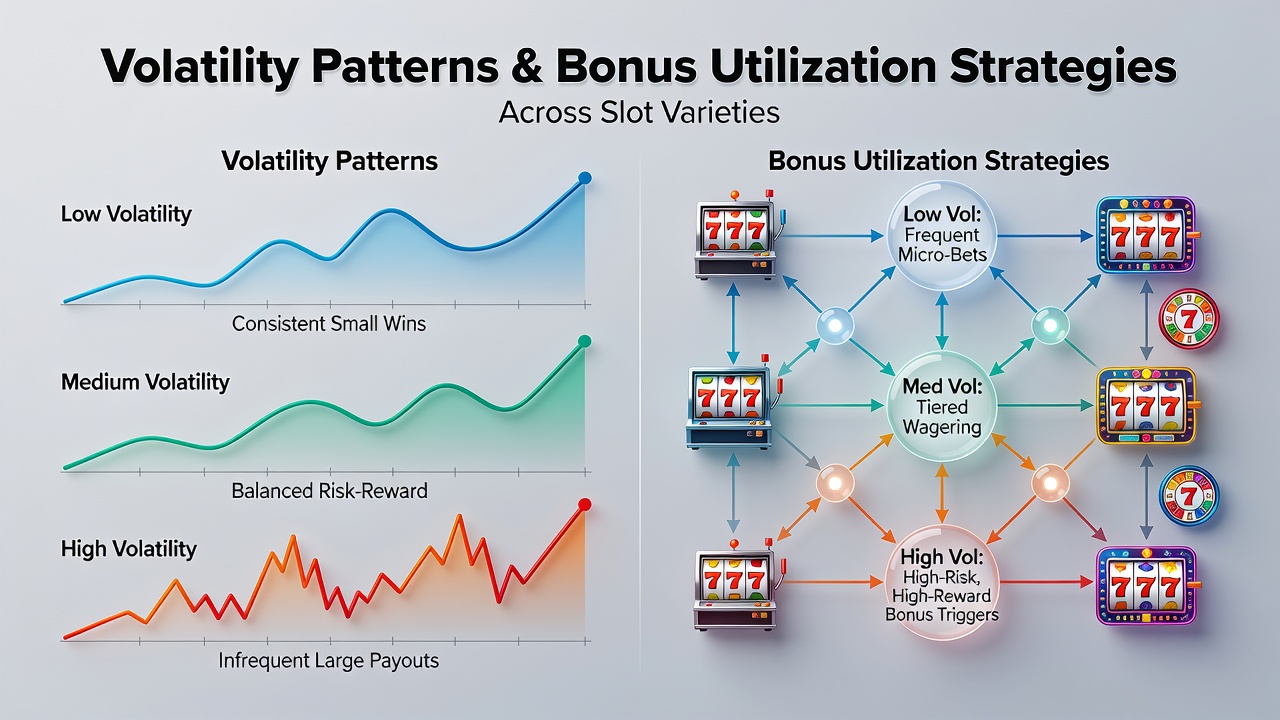
Slot machines operate on distinct volatility patterns that determine payout frequency and size, and these patterns directly shape how players approach bonus features across game categories. Low-volatility slots deliver frequent smaller wins while high-volatility titles produce infrequent but larger payouts, and medium-volatility options sit between the two extremes. Operators design bonus structures around these characteristics, so players who understand the patterns adjust their strategies accordingly when selecting games and deploying promotional offers.
Defining Volatility Levels in Slot Games
Volatility refers to the risk level embedded in a slot's payout structure, and researchers classify games into three primary categories based on return-to-player distributions over extended play sessions. Low-volatility machines generate regular small wins that help maintain bankrolls during longer sessions, whereas high-volatility machines concentrate returns into fewer but more substantial outcomes that often align with bonus rounds. Medium-volatility slots balance these traits by offering moderate win frequencies alongside occasional larger payouts that reward sustained play.
Data from gaming laboratories shows that volatility settings influence hit rates, with low-volatility titles typically hitting winning combinations 30 to 40 percent of the time compared to high-volatility models that may register hits in only 15 to 25 percent of spins. These differences become especially relevant when operators release updated machine standards scheduled for implementation in July 2026, as new testing protocols will require clearer volatility disclosures on game information screens.
Bonus Types and Their Alignment With Volatility
Operators structure bonuses such as free spins, deposit matches, and cashback offers to complement specific volatility profiles, and players who match bonus types to game categories often extend playing time more effectively. Free spin packages tend to suit high-volatility slots because the additional rounds increase exposure to rare large payouts without requiring extra wagers, while cashback promotions provide steadier value on low-volatility machines where frequent small wins accumulate over time.
Studies conducted by the University of Nevada's gaming research center indicate that bonus utilization rates vary significantly by volatility tier, with high-volatility players redeeming free spin offers at higher percentages during promotional periods. Medium-volatility games, by contrast, pair well with reload bonuses that encourage repeated deposits because their balanced payout rhythm sustains engagement across multiple sessions.
Application Across Slot Varieties
Classical three-reel slots often feature lower volatility and pair effectively with loyalty-based cashback programs that return a percentage of losses over weekly periods. Video slots with five or more reels introduce higher volatility through layered bonus mechanics, and these titles frequently appear in free spin promotions that multiply win potential during triggered events. Progressive jackpot slots represent the highest volatility category because their top prizes accumulate across networks, and players typically reserve no-deposit bonuses for these machines to test the base game before committing larger amounts.
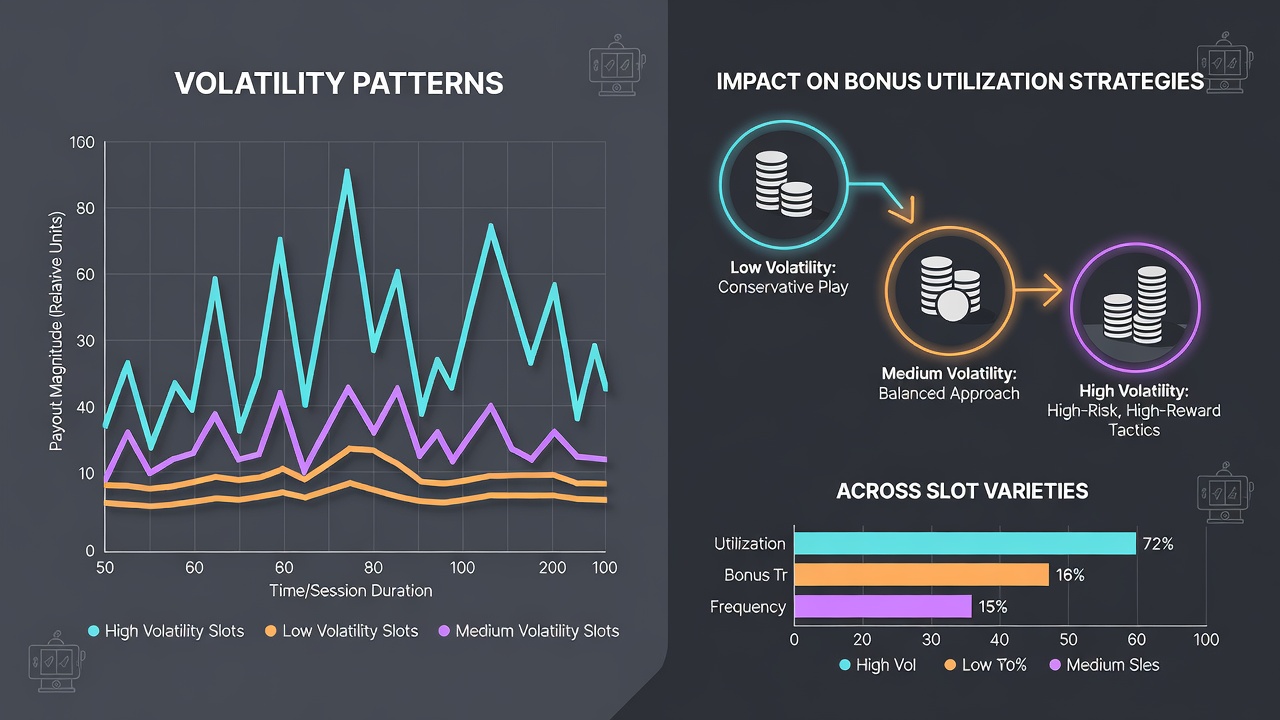
Regional data collected by the Nevada Gaming Control Board reveals that progressive titles account for a disproportionate share of bonus redemptions during peak promotional windows, while fixed-jackpot video slots see steadier bonus usage throughout the year. Australian research published by the Centre for Gambling Education and Research further demonstrates that players who switch between volatility tiers often adjust their bonus selection patterns to maintain consistent return expectations.
Strategic Adjustments for Different Volatility Profiles
Players apply distinct bankroll allocation methods depending on the volatility of their chosen games, and these methods integrate directly with bonus terms and conditions. High-volatility sessions benefit from larger bonus amounts spread across fewer spins, allowing the player to weather longer dry spells until bonus features activate. Low-volatility approaches favor smaller, more frequent bonus activations that compound modest wins without exhausting promotional funds quickly.
Industry reports from the European Gaming and Betting Association highlight that operators increasingly segment bonus campaigns by volatility preference, with targeted offers appearing in player accounts based on historical game selection data. This segmentation becomes more pronounced as new machine certification requirements take effect in July 2026, requiring operators to display volatility ratings alongside bonus wagering requirements.
Conclusion
Volatility patterns establish the foundation for effective bonus utilization across slot varieties, and players who recognize these connections select promotions that align with each game's payout rhythm. Regulatory updates scheduled for July 2026 will standardize volatility information, giving players clearer data when matching bonuses to specific titles. Observers note that continued research into payout distributions will further refine how operators design and players deploy promotional offers in the evolving slot landscape.